



ქართული ბიოორგანული, ბიოდინამიკური და ნატურალური ღვინოები
| MAIN FEUATURE by GIORGI SAMANISHVILI, Master of Oenology |
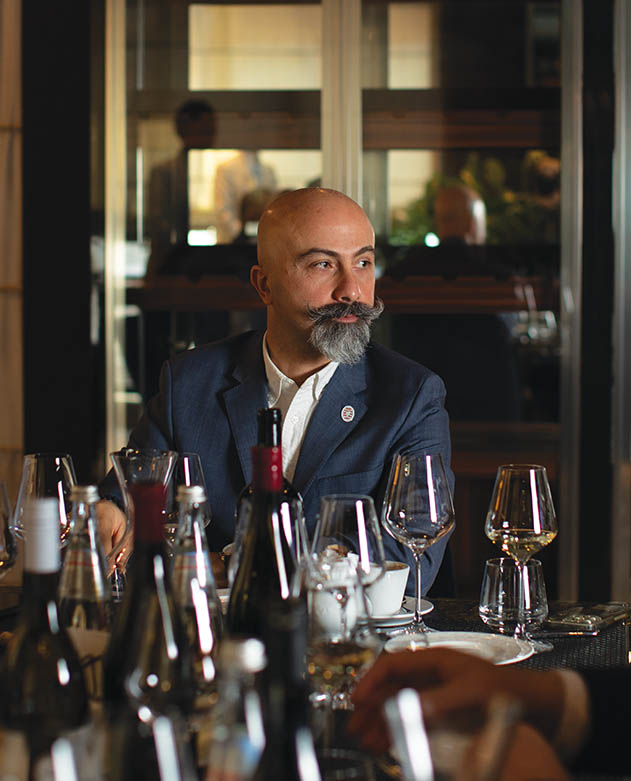
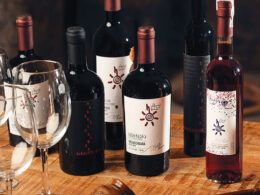
გიორგი სამანიშვილი | ენოლოგიის მაგისტრი |: ამჯერად, Homeland of Wine-ს მთავარი თემა ბიოორგანული, ბიოდინამიკური და ე.წ. ნატურალური მევენახეობა-მეღვინეობაა. საუბარი ბიოორგანული მიმართულებით დავიწყოთ. საქართველოში, კანონით არის დადგენილი ბიო, ანუ ბიოლოგიური, იგივე ორგანული და იგივე ეკოლოგიური პროდუქტები. სამივე ტერმინს ერთი მნიშვნელობა აქვს და ევროკავშირის რეგულაციის მსგავსად (რომლის ზუსტი ასლიც გახლავთ ჩვენი კანონი), განსაზღვრულია, რა წესებს უნდა აკმაყოფილებდეს ამ მიმართულების მიმდევარი მევენახეობა: მკაცრად არის აკრძალული სინთეზური და ქიმიური სასუქების გამოყენება, სისტემური პრეპარატები. დაშვებულია მხოლოდ სპილენძისა და გოგირდის შემცველი პრეპარატები და ისიც შეზღუდული რაოდენობით. დადგენილია ღვინის დამზადების წესებიც, სადაც აკრძალულია გარკვეული ოპერაციები – მაგალითად, ღვინის პასტერიზაცია, ულტრაფილტრაცია და სხვა. რაც ასევე მნიშვნელოვანია, გაცილებით ნაკლებია გოგირდის დიოქსიდის მაქსიმალური დასაშვები შემცველობა ღვინოში.
ლევან უჯმაჯურიძე | სსიპ სოფლის მეურნეობის სამეცნიერო-კვლევითი ცენტრის დირექტორი. პროფესორი, აკადემიკოსი |: მეორე მიმართულებაა ბიოდინამიკური (დეფინიცია: ბიო ნიშნავს ცოცხალს და დინამიკურს, ენერგიას). ბიოდინამკური მევენახეობა ფოკუსირდება ბუნებრივ ენერგიაზე, სასიცოცხლო მნიშვნელობის ორგანიზმებზე. ბიოდინამიკური მეურნეობა კომპლექსურად განიხილავს სოფლის მეურნეობის, ადამიანის, გარემოს, კოსმოსის ურთიერთგავლენას; „ასტრალური ენერგეტიკული ნაკადების” გამოყენებას; კრძალავს მინერალურ სასუქებსა და პესტიციდებს. ამ მიმდინარეობის მთავარი ფილოსოფიაა, რომ ვაზი და ყველაფერი მის ირგვლივ აუცილებლად უნდა იყოს ბუნებასთან ჰარმონიაში.
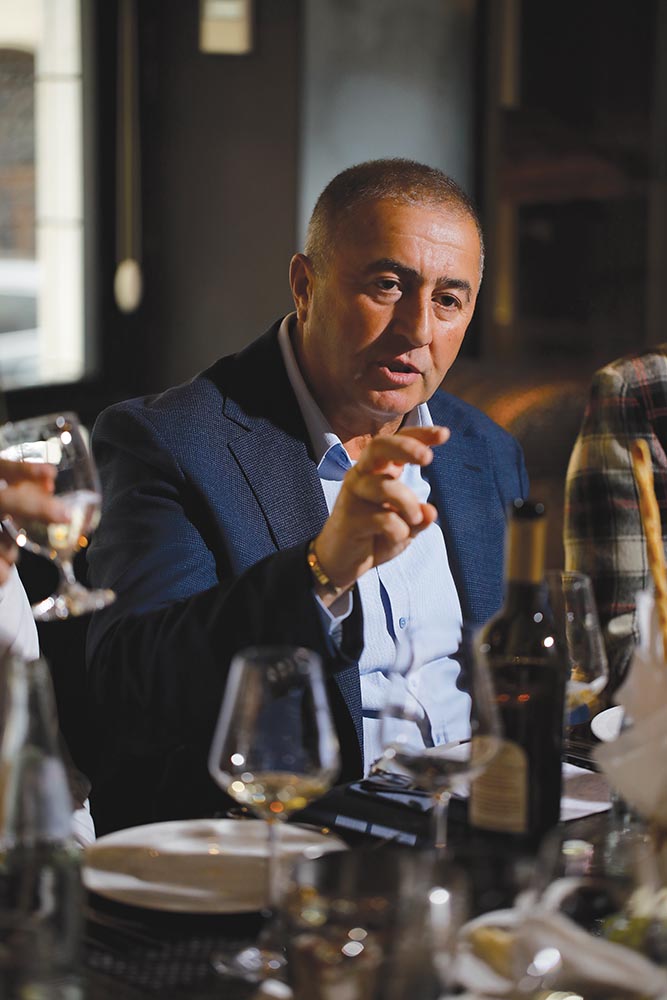
ბიოდინამიკური მეურნეობის მიმდევრები იყენებენ ბიოდინამიკურ კომპოსტებს; ვაზის ფიტოსანიტარული სიჯანსაღისთვის ბიოდინამიკურ პრეპარატებს, რომლებიც ცნობილი სამკურნალო მცენარეებისგან მზადდება – გვირილა, ვალერიანი, ჭინჭარი, მუხა, ფარსმანდუკი, ბაბუაწვერა და სხვა. ნიადაგის გასანოყიერებლად და მცენარეთა საკვებად გამოიყენება სხვადასხვა კომპოსტები და სპეციალური მინერალური დანამატები, რომლებიც მზადდება კვარცის, კაჟმიწის, ხარის რქაში მომწიფებული სასუქისგან და სხვა. სამუშაოების დასაგეგმად ითვალისწინებენ ასტრონომიულ კალენდარს.
ბიოდინამიკის სერტიფიკატის სპეციფიკაციებს სახელმწიფო არ ადგენს, თუმცა მეურნეობების შემოწმებასა და კონტროლს ახდენენ სერტიფიკატის გამცემი ორგანიზაციები და ასოციაციები. ბიოდინამიკის სერტიფიკატებს შორის ყველაზე ცნობილია Demeter-ი, Biodivyn-ი. არსებობს სხვებიც. Demeter-ის სერტიფიკატი საქართველოშიც გვაქვს – მას „გოცას მეღვინეობა“ ფლობს.
გიორგი სამანიშვილი: და მესამე მიმართულება, რომელსაც წინ ყოველთვის ე.წ.-ს ვამატებ, არის ნატურალური ღვინოები. მაგალითისთვის, ევროპის ქვეყნებში, ეტიკეტზე ნატურალური ღვინის მითითება აკრძალულია, რადგან ეს ჩრდილს აყენებს სხვა ღვინოებს, რომლებიც, თვითონ ღვინის განმარტებიდან გამომდინარე, ასევე ნატურალურია. ამის მიუხედავად, საფრანგეთში მოახერხეს და შექმნეს ასეთი ხარისხის ნიშანი – ნატურალური მეთოდი (Vin Methode Nature), რომელსაც ზუსტად გაწერილი წესები აქვს და ამ ნიშნის მქონე მეღვინეები მათ მკაცრად იცავენ.
საქართველოშიც გაქვს ბუნებრივი ღვინის ასოციაცია, რომლის წევრებმაც შეიმუშავეს ფრანგული Vin Methode Nature-ის მსგავსი წესებიც, ხარისხის ნიშანიც და კონტროლის სიტემაც.
იაგო ბიტარიშვილი | იაგოს ღვინო |: ჩვენს ასოციაციაში ვენახის მოვლასთან დაკავშირებით ისეთივე წესები მოქმედებს, როგორც ბიომევენახეობაშია. განსხვავება მხოლოდ მარანშია. წესდებაში განსაზღვრული გვაქვს, რომ ღვინის დაყენებისას არ შეიძლება იმ ხერხებისა და საშუალებების გამოყენება, რომლებიც თვისობრივად შეცვლიან ღვინის ბუნებრივ ორგანოლეპტიკურ თვისებებს.

გიორგი სამანიშვილი: უნდა აღვნიშნოთ, რომ ნატურალური მეღვინეობა ბევრად მკაცრი რეგულაციებით გამოირჩევა, ვიდრე ბიოდინამიკა. ისიც ხაზგასასმელია, რომ ფრანგული და ქართული ნატურალური ღვინოების წარმოების წესები ფაქტობრივად ერთიდაიგივეა, თუ არ ჩავთვლით მცირე დეტალებში სხვაობას. საქართველოში, ნატურალურ მეღვინეობაში აკრძალულია ყველა სახის დანამატის გამოყენება, გარდა გოგირდისა, რომელიც არ უნდა აღემატებოდეს ერთ ლიტრზე 40 მლ-ს. ფრანგულ ნატურალურ მეღვინეობაში ორი დაშვებაა: 1. საერთოდ არ არის დაშვებული გოგირდის გამოყენება, 2. დაშვებულია, თუმცა არ უნდა აღემატებოდეს 30 მლ-ს ერთ ლიტრში. შესაბამისად, არის ორი ტიპის ეტიკეტი: 1. აქვს წარწერა Vin Methode Nature და 2. აქვს წარწერა – Vin Methode Nature SO2 < 30mg/l.
ამ მიმდინარეობაში ყველაზე რთული ის არის, რომ ღვინოში აკრძალულია ნებისმიერი დანამატის გამოყენება. მაგალითად, აკრძალულია გარეშე საფუვრის დამატება, თუმცა მეღვინეს შეუძლია საფუვრის დედა თვითონ მოამზადოს. ნატურალურ მეღვინეობაში ყველაფერი აუცილებლად უნდა იყოს ინდიგენური. აკრძალულია გემოს, ან შემადგენლობის არაბუნებრივად შეცვლა. მაგალითად, სიტკბოს ან მჟავიანობის კორექცია იმ შემთხვევაშიც კი, თუ ეს აუცილებელია ხარისხიანი ღვინის მისაღებად, ანდა მუხის ნაფოტების დამატება და სხვა, რაც ცოტა ართულებს საქმეს იმ შემთხვევაში, თუ ყურძენი არ არის ძალიან კარგი. ხოლო თუ კარგია, რა თქმა უნდა, ცვლილებები არც ესაჭიროება.
ლევან უჯმაჯურიძე: ამიტომ ყველაფერი უნდა დავიწყოთ ვენახით, რადგან ღვინო სწორედ ვენახში იქმნება.
ბიოორგანული და ეკოლოგიური მიმართულება
ბიო-სერტიფიცირება
იაგო ბიტარიშვილი: საქართველოს, მეზობელი ქვეყნებისგან განსხვავებით, ის უპირატესობა აქვს, რომ პირველად სწორედ ჩვენთან ჩამოყალიბდა სერტიფიცირების სამსახური, რომელიც ევროკავშირშია აკრედიტებული. ყოველწლიურად, ევროკავშირი გზავნის ინსპექტორებს, რომლებსაც უფლება აქვთ, დარღვევების აღმოჩენის შემთხვევაში, სამსახურს აკრედიტაცია გაუუქმონ. უნდა აღინიშნოს, რომ საქართველოს სერტიფიცირების სამსახური, რომელმაც 1998 წლიდან დაიწყო მუშაობა, სერტიფიკატებს კი 2005 წლიდან გასცემს, დღემდე ინარჩუნებს ამ აკრედიტაციას. თავის დროზე, სწორედ საქართველო დაეხმარა ჩვენს მეზობელ ქვეყნებს – სომხეთსა და აზერბაიჯანს სერტიფიცირების მიმართულებით. შეიქმნა ერთიანი სისტემა, რომელსაც Caucascert ეწოდა.
გიორგი სამანიშვილი: ფაქტობრვად, 20 წელია, ჩვენი კავკასსერტის სერტიფიკატის მქონე მეღვინეს შეუძლია ეტიკეტზე მიუთითოს, რომ მისი ღვინო არის ბიო (ანუ ორგანული) და ეს სერტიფიკატი ევროკავშირის ქვეყნებისათვისაც მისაღები იქნება.
ვენახის მოვლა
იაგო ბიტარიშვილი: ვენახისთვის, ისევე, როგორც სხვა ტიპის მეურნეობებისთვის, ბიოსერტიფიკატის მისანიჭებლად გარდამავალი პერიოდი სამი წელია. ამ პერიოდში მევენახე უკვე ორგანული მევენახეობის წესებით მუშაობს, ხდება აქტიური დაკვირვება, მეოთხე წელს კი ბიოსერტიფიკატი ენიჭება.
ლევან უჯმაჯურიძე: მევენახეობაში, ხშირად საუბრობენ ამა თუ იმ პრეპარატის უარყოფით მხარეებზე. უნდა ვიცოდეთ, რომ ცუდი პრეპარატები არ არსებობს, არსებობს მათი არასწორად გამოყენების შემთხვევები. უმნიშვნელოვანესია: 1. დაცული იყოს უსაფრთხოების წესები, 2. კონცენტრაცია (დოზირება), 3. ფენოკალენდარული მიდგომა, ანუ როდის უნდა შეიწამლოს ვენახი მხოლოდ და მხოლოდ კონტაქტური მოქმედების, მათ შორის, სპილენძის შემცველი, გოგირდზე ან მცენარეულ ნაყენზე დამზადებული პრეპარატებით. თუ მევენახემ სწორად და დროულად არ შეაარჩია შეწამვლის საწყისი წერტილი, რომელსაც მეცნიერულად ნამის კრიტიკული წერტილი ეწოდება, შეიძლება, ყოველკვირა კი არა, ყოველ 2-3 დღეში შეწამლოს ვენახი და შედეგი მაინც არ ჰქონდეს. ამ საკითხებში განათლებასა და ცნობიერების ამაღლებას დიდი მნიშვნელობა აქვს. სასურველია, მეტი შეხვედრები და საუბრები გაიმართოს ორგანული თუ ბიოდინამიკური მეურნეობის საკითხებზე.
გიორგი სამანიშვილი: გეთანხმებით, რომ დღეს, ყველაზე დიდ გამოწვევად სწორედ ცოდნის ნაკლებობა რჩება. როდესაც მევენახე რომელიმე იმ მიმართულებას მისდევს, სადაც ნაკლები პრეპარატის გამოყენებაა დაშვებული და კარგად არ იცის, რა, რატომ, რა დოზით, ანდა როდის უნდა გამოიყენოს, ცხადია, მოსავალს რისკის ქვეშ აყენებს. აქედან გამომდინარე, უწევს ბიოორგანულის საწინააღმდეგო არჩევანის გაკეთება და ვენახის სისტემური შეწამვლა: თავის დასაზღვევად, 7-10 დღეში ერთხელ ასხამს ყველა შესაძლო შხამ-ქიმიკატს, რა დროსაც, გარდა დანახარჯებისა, გარემოს უაზროდ დაბინძურება ხდება. სწორედ ამიტომ არის მნიშვნელოვანი ცოდნა.
გარემოსდაცვითი მიდგომებიდან საინტერესოა კიდევ ერთი – ე. წ. გონივრული ანუ ინტეგრირებული მევენახეობა (Viticulture raisonnée / Integrated viticulture): ამ მიდგომის შემთხვევაში, არ გამოიყენება ძლიერი შხამ-ქიმიკატები გარდა იმ შემთხვევისა, როდესაც მევენახე რისკის დადგომის ალბათობას ხედავს და იტოვებს ვენახში აქტიური ჩარევის უფლებას.

დავით მაღრაძე | სსიპ ღვინის ეროვნული სააგენტოს ვენახების კადასტრის სამმართველო. პროფესორი |: დღეს, ბიოპროდუქტებზე მოთხოვნა მზარდია. ბიოლოგიური სექტორი იზრდება, შესაბამისად, გარემოზე უარყოფითი ზეგავლენა იკლებს. იქმნება მეტი ჯანსაღი პროდუქტი, რაც ბევრ მომხმარებელში პოულობს დადებით გამოძახილს. წარმოების პროცესი გულისხმობს რეგულაციების დაწესებას და კონტროლს, რაც პროდუქტს შედარებით აძვირებს, თუმცა ამის კომპენსაცია ჯანსაღი და გარემოზე უარყოფითი ზემოქმედების გარეშე მიღებული პროდუქტია. ეს ტენდენცია მზარდია მსოფლიოში და ჩვენს ქვეყანაში.
დავით ჩიჩუა | სსიპ სოფლის მეურნეობის სამეცნიერო-კვლევითი ცენტრი. პროფესორი |: რა არის მევენახისთვის ბიომეურნეობაში ჩართვის მოტივი, საიდან უჩნდება ეს იდეა, ან რა არგუმენტები აქვს? ჩემმა კოლეგებმა ახსენეს პროდუქტის უვნებლობა, გარემოს დაცვა, ვენახში მომუშავე პერსონალის უსაფრთხოების საკითხი (როდესაც გამოყენებულმა პრეპარატებმა არ უნდა დააზიანოს ადამიანის ჯანმრთელობა), რასაც აუცილებლად უნდა დავუმატო ერთი მნიშვნელოვანი საკითხი: პროდუქტის ტიპიურობა. როდესაც საქმე კონვენციურ (ანუ ჩვეულებრივ) მეღვინეობასთან გვაქვს, მეწარმეს, ნებისმიერ გარემოში, ნებისმიერი ჯიში სხვადასხვა ჩარევით მიჰყავს მისთვის სასურველ შედეგამდე. ხოლო როდესაც ვენახში და ღვინოში ჩარევა მინიმალიზირებულია, რასაც ითხოვს კიდეც ბიომევენახეობა, პროდუქტი ხდება პირდაპირი გამოხატულებაა იმ ბუნებრივი მოცემულობის, რომელიც ტერუარშია.

როდესაც ვსაუბრობთ ბიო და კონვენციურ მეღვინეობას შორის განსხვავებებზე, უდავოდ საკამათოა, საბოლოო ჯამში, დროში დეგრადირებადი სინთეტიკური პრეპარატი უფრო აბინძურებს ნიადაგს, თუ თუნდაც სპილენძი, რომელიც ასწლიან პერსპექტივაში არაერთ ტონას აჭარბებს და არც ადვილად გამოირეცხება ნიადაგიდან.
ლევან უჯმაჯურიძე: აუცილებლად უნდა შევეხოთ მორწყვის საკითხს, რომელიც მაგალითად, ბიოდინამიკურ მევენახეობაში დიდად დაშვებული არ არის. ლოგიკურად რომ მივუდგეთ: ყველა სასიცოცხლო პროცესი, რომელიც ვაზის მცენარეში მიმდინარეობს და ქმნის ყურძნის ორგანოლეპტიკურ მახასიათებლებს, სწორედ წყალთან არის დაკაშირებული. დღეს, გლობალური დათბობის ფონზე, ეს სასიცოხლო პროცესები ისედაც შემცირებულია: ფოტოსინთეზი დღეში მინიმუმ 8-10 საათი უნდა მიმდინარეობდეს; ზაფხულში, 35 გრადუსს ზემოთ ტემპერატურაზე, ჰაერის დაბალი ფარდობითი ტენიანობის პირობებში, მისი ხანგრძლივობა მხოლოდ 4-5 საათია. თუკი ნიადაგში წყალის დეფიციტია, რა ხარისხზე შეიძლება იყოს საუბარი?! ასეთ დროს, რისკის ქვეშ მიმდინარე კი არა, მომდევნო წლის მოსავალიც დგება, განსაკუთრებით ივნის-ივლისის პერიოდში, როდესაც მოზამთრე კვირტებში მომავალი წლის მოსავლის ჩასახვა ხდება. შედეგად მივიღებთ დაბალ მოსავლიანობასა და დაბალ ხარისხს. ამიტომაც, ეს სტერეოტიპი აუცილებლად უნდა დაიმსხვრეს. ვაზი უნდა მოირწყას მაშინ, როდესაც ნიადაგში მისი რაოდენობა კრიტიკულია და მნიშვნელოვნად იზღუდება ეკოფიზიოლოგიური პროცესები (რა თქმა უნდა, არა სიმწიფის პერიოდში).
მნიშვნელოვანია სხვა კომპლექსური ღონისძიებების გათვალისწინებაც, როგორიცაა: ვაზის ჯიში, საძირე, ადგილმდებარეობა, ვენახის გაშენების ექსპოზიცია, შტამბის სიმაღლე, ფორმირების სისტემები (მათ შორის, ქართული ფორმირება – ჭიგოზე ), დატვირთვა და სხვა. მწვანე ოპერაციები ზედმიწევნით სწორ დროს და ხარისხიანად უნდა ჩატარდეს, განსაკუთრებით მაშინ, როდესაც საქმე გვაქვს ვენახში გამოყენებულ მხოლოდ კონტაქტური მოქმედების ბიოპრეპარატებთან.
საბედნიეროდ, საქართველოში გვაქვს არაერთი მევენახეობის რეგიონი, სადაც შესანიშნავად შეიძლება ბიოორგანული და ბიოდინამიკური მიმართულებების მეურნეობების განვითარება.
გიორგი სამანიშვილი: ერთ-ერთი მნიშვნელოვანი სწორედ ნიადაგია, როგორც ბიოორგანულ, ისე ბიოდინამიკურ მიმართულებებში. ამაზე ბატონ იაგოს არაერთხელ უსაუბრია.
იაგო ბიტარიშვილი: როგორც ბიო, ისე ბიოდინამიკურ მეურნეობაში წრე შეკრული უნდა იყოს, რაც მევენახეს სრულად დამოუკიდებელს ხდის. ვცდილობ, სწორედ ამას მივაღწიო. რას ვგულისხმობ: მაქსიმუმ, სპილენძი და გოგირდი შეიძინოს მევენახემ, ყველა დანარჩენი საშუალება კი, მათ შორის, თუნდაც ნაკელი, ადგილზე ჰქონდეს. ამიტომ არის, რომ ბიომევენახეებს ხშირად ცხვარი ჰყავთ, რომელსაც ვენახში უშვებენ. მისი ნაკელისგან თავად ამზადებენ კომპოსტს, რადგან ფერმის ნაკელი შეიძლება არასასურველ მინარევებს, მაგალითად, ანტიბიოტიკებს შეიცავდეს.
ლევან უჯმაჯურიძე: როგორც ნაკელის დამზადებას, ისე ვენახში მის შეტანას დიდი მნიშვნელობა აქვს. ნაკელი აუცილებლად თერმულად უნდა იყოს დამუშავებული, რომ სარეველების თესლი და მავნე მიკროორგანიზმები არ შეჰყვეს, რომლებიც უარყოფითად იმოქმედებენ ვაზის მცენარეზე.
რაც შეეხება ნიადაგის დამუშავებას: ვაზის გაშენებიდან პირველი ორი წელი უნდა ჩატარდეს გაფხვიერება-კულტივაცია, ან ვერტიკალური ფრეზირება. ამ დროს, სარეველა ბალახების მოცილებასთან ერთად, ნიადაგის ზედაპირი სწორდება. მესამე წლიდან ყველა ტიპის, მათ შორის, ბიოორგანული და ბიოდინამიკური მეურნეობის პირობებში, სასურველია, გადავიდეთ არსებული ბუნებრივი, ან პარკოსანი მცენარეების – სიდერატების – გამოყენებით ნიადაგის დაკორდების სისტემებზე. მფარავი პარკოსანი კულტურები – სიდერატები: ცულისპირა, ბარდა, სოიო, სამყურა, ლობიო და სხვა, ითესება ვაზის რიგთაშორისებში, შემდეგ კი ხდება მათი მწვანე მასის ნიადაგში ჩახვნა, განოყიფერებისა და სტრუქტურის გაუმჯობესების მიზნით.
სიდერაცია – ფრანგული სიტყვაა და ნიშნავს სპეციალურად მოყვანილი მწვანე მცენარის ჩახვნას. სიდერაცია არის ორგანული ნივთიერებებითა და აზოტით ნიადაგის განოყიერების ისეთი ხერხი, რომელიც ხორციელდება ნაკვეთზე სპეციალურ მცენარეთა (უმეტესად პარკოსნების ოჯახიდან) თესვით და მწვანე მასის ნიადაგში მათი ჩახვნით.
არსებობს მძიმე მექანიკური სტრუქტურული შემადგენლობის ნიადაგები, რომელთა ქვედა ფენები დაწიდული და წყალგაუმტარია. ფილოქსერა საძირესაც კი, რომელსაც ქვებშიც შეუძლია ფესვთა სისტემის განვითარება, ასეთი ტიპის ნიადაგების გარღვევა უჭირს. პრობლემის აღმოსაფხვრელად ვიყენებთ რებენფიტ მცენარეთა ნაკრებს, რომელიც მაის-ივნისის თვეში ვაზთაშორის ითესება. ამ მცენარეებს შესწევთ უნარი სწორედ ზემოხსენებული ტიპის ნიადაგებში სიღრმისეულად განვითარდნენ, გააუმჯობესონ ნიადაგის სტრუქტურა და ის ვაზისთვის ადვილად ასათვისებელი გახადონ.
Giorgi Samanishvili | Master of Oenology | : This time, the central theme of Homeland of Wine is bio, biodynamic, and so-called natural viticulture and winemaking. Let’s begin with the bio approach. In Georgia, bio (biological), also known as organic or ecological products, are regulated by specific legislation. All three terms have the same meaning, and, in line with European Union regulations (which the Georgian law directly mirrors), specific rules are defined for how viticulture must be practised by those following this approach. The use of synthetic or chemical fertilisers and systemic treatments is strictly prohibited. Only copper and sulphur-based treatments are permitted, and even then, only in limited quantities. The winemaking process is also subject to regulation: certain practices, such as pasteurisation and ultrafiltration, are not allowed. Equally important, the maximum allowable level of sulfur dioxide in the wine is set significantly lower than in conventional winemaking.
Levan Ujmajuridze / Director of the Scientific-Research Centre of Agriculture, Professor, Academician /: The second approach is biodynamic (the term bio means living, dynamic, energetic). Biodynamic viticulture focuses on natural energy and vital organisms. It takes a holistic view of agriculture, considering the interactions between farming, humans, the environment, and the cosmos. This approach includes the use of ‘astral energetic flows’ and prohibits mineral fertilisers and pesticides. The core philosophy is that the vine and everything around it must exist in harmony with nature.
Followers of biodynamic farming use biodynamic composts and preparations made from well-known medicinal plants to maintain the vine’s phytosanitary health, including chamomile, valerian, nettle, oak, dandelion, and others. To fertilise the soil and feed the plants, various composts and special mineral additives made from quartz, kaolin clay, fertiliser matured in a bull’s horn, and more, are applied. The scheduling of vineyard tasks follows an astronomical calendar.
The state does not set the specifications for biodynamic certification; however, inspections and controls are carried out by certification bodies and associations. Among biodynamic certifications, the most well-known are Demeter and Biodivyn, though others exist. Georgia has a Demeter certification held by ‘Gotsa Wine.’
Giorgi Samanishvili: The third approach, which I always prefix with ‘so-called,’ is natural wines. For example, in many European countries, labelling a wine as ‘natural wine’ is prohibited because it could cast doubt on other wines, which are by definition also natural. Nevertheless, France has managed to create a quality designation called ‘Vin Méthode Nature,’ which has clearly defined rules that winemakers holding this label strictly follow.
We also have a Natural Wine Association in Georgia, whose members have developed rules, a quality label, and a control system similar to France’s Vin Méthode Nature.
Iago Bitarishvili /Iago’s Wine /: In our association, the rules for vineyard care are the same as those in organic viticulture. The only difference is in the winery. Our regulations specify that during winemaking, no techniques or methods may be used that would fundamentally alter the wine’s natural organoleptic characteristics.
Giorgi Samanishvili: It’s important to note that natural winemaking is governed by much stricter regulations than biodynamics. It’s also worth noting that the production rules for natural wines in France and Georgia are virtually the same, with only minor differences. In Georgia, all additives are prohibited in natural winemaking except sulphur, which must not exceed 40 milligrams per litre. In French natural winemaking, sulphur use is generally permitted, but it must not exceed 30 milligrams per litre. Accordingly, there are two types of labels: one simply marked Vin Méthode Nature, and another labelled Vin Méthode Nature SO2 < 30 mg/l.
The greatest challenge in this approach is the strict prohibition of any additives in the wine. For example, adding commercial yeast is forbidden, although the winemaker is allowed to prepare their own yeast starter. Everything in natural winemaking must be indigenous. Artificial alterations to taste or composition are prohibited. This means that adjustments to sweetness or acidity, even if necessary for producing a quality wine, are not allowed, nor is the addition of oak chips or similar techniques. This can make the process more difficult when the grapes are of lesser quality. However, if the grapes are of good quality, of course, no such interventions are needed.
Levan Ujmajuridze: That’s why everything must begin in the vineyard, because wine is truly made in the vineyard.
Organic, Biological, and Ecological Approaches
Bio Certification
Iago Bitarishvili: Unlike neighbouring countries, Georgia has the advantage of having established the first certification body accredited by the European Union. Every year, the EU sends inspectors who have the authority to revoke accreditation from the certification body if any violations are found. It’s worth noting that Georgia’s certification service, which began operations in 1998 and started issuing certificates in 2005, has maintained its accreditation to this day. At one point, Georgia also assisted neighbouring countries, Armenia and Azerbaijan, in developing a unified system called Caucascert.
Giorgi Samanishvili: For the past 20 years, winemakers certified by Caucascert have been able to label their wines as bio (organic), and this certification is also recognised within European Union countries.
Vineyard Care
Iago Bitarishvili: For a vineyard, as with other types of farms, the transition period required to obtain bio certification is three years. During this time, the grower already follows the principles of organic viticulture and is under close observation. In the fourth year, the vineyard becomes eligible for certification.
Levan Ujmajuridze: In viticulture, we often hear about the negative effects of certain treatments. But it is important to understand that there are no inherently bad treatments, only instances of improper use. What truly matters is that: 1. Safety rules are observed, 2. Concentrations (dosages) are correct, and 3. A phenological approach is followed, meaning the vineyard should be sprayed only at the right time, and only with contact-based treatments, including those containing copper, sulphur, or made from herbal infusions. If the grower fails to correctly identify the optimal moment to begin spraying, known scientifically as the critical dew point, the time when dew presence creates ideal conditions for disease, they may end up spraying not once a week, but every two or three days, and still see no results. That is why education and raising awareness in this area are crucial. It is important to have more meetings and open discussions around organic and biodynamic farming practices.
Giorgi Samanishvili: I agree that today the biggest challenge is a lack of knowledge. When a grower adopts a method that limits pesticide use but does not fully understand what to apply, why, at what dosage, or when, they put their harvest at risk. Consequently, many end up abandoning organic practices and resorting to routine spraying, applying all available pesticides every 7 to 10 days. This not only increases costs but also causes unnecessary environmental damage. That is why proper knowledge is crucial.
Another interesting environmental approach is so-called rational viticulture (viticulture raisonnée) or integrated viticulture. This method avoids the use of strong chemical pesticides except for when the grower foresees a risk and reserves the right to intervene actively in the vineyard.
David Maghradze | Institute of Horticulture, Viticulture and Oenology, Tbilisi, Georgia · Grape and Fruit Germplasm Research, Genetics and Breeding, Dr. of Agricultural Sciences |: Today, demand for organic products is increasing. The biological sector is growing, which in turn reduces negative environmental impact. More healthy products are being created, resonating positively with many consumers. The production process involves setting regulations and controls, which makes the product relatively more expensive. However, this is offset by the benefit of a healthy product produced without harmful environmental effects. This trend is growing both globally and in our country.
David Chichua | LEPL Scientific-Research Center of Agriculture Professor |: What motivates a viticulturist to turn to organic viticulture? Where does the idea come from, and what arguments support it? My colleagues have already mentioned product safety, environmental protection, and the health of vineyard workers, since the substances used shouldn’t harm human health. But I’d add one more important point: the typicality of the product. With conventional winemaking, the producer can steer any grape variety toward the desired result through various interventions, regardless of the environment. But when intervention in the vineyard and cellar is kept to a minimum, as organic viticulture requires, the product becomes a direct expression of the natural conditions of its terroir.
When we talk about the differences between organic and conventional winemaking, one ongoing debate is whether, in the long run, it’s the degradable synthetic substances or something like copper that poses a greater risk to the soil. After all, over a century, the amount of copper used can exceed several tonnes, and it doesn’t wash out of the soil easily.
Levan Ujmajuridze: We definitely need to address the issue of irrigation, which, for example, is largely discouraged in biodynamic viticulture. But if we look at it logically, all the vital processes within the vine that contribute to the grape’s organoleptic qualities are directly linked to water. Today, with global warming, these processes are already being reduced. Photosynthesis, which ideally should occur for at least 8 to 10 hours a day, is limited to just 4 to 5 hours during summer when temperatures exceed 35°C and relative humidity is low. If the soil lacks sufficient moisture, what level of quality can we really expect? In such conditions, not only is the current crop at risk, but the following year’s harvest is also compromised, especially in June and July when the next season’s yield begins to form within the overwintering buds. The result is lower yields and lower quality. This stereotype absolutely needs to be challenged. The vine must be irrigated when water levels in the soil reach a critical point and key ecophysiological processes are being severely restricted, though of course not during the ripening phase.
It is also important to consider other complex factors such as grape variety, rootstock, location, vineyard exposure, trunk height, training systems, including the Georgian single pole training method, vine load, and more. Green operations must be carried out thoroughly and at precisely the right time, especially when only contact bio-preparations are used in the vineyard.
Fortunately, Georgia has several vineyard regions perfectly suited for the development of bio-organic and biodynamic farming.
Giorgi Samanishvili: One of the most important factors is the soil, both for bio-organic and biodynamic approaches. Iago has spoken about this on numerous occasions.
Iago Bitarishvili: In both organic and biodynamic farming, the cycle needs to be closed, which makes the viticulturist fully independent. That’s exactly what I strive for. What I mean is this: buy only copper and sulphur at most, and have everything else, including manure, sourced locally. This is why organic growers often keep sheep, which they release into the vineyard. They use the sheep’s manure to make their own compost, as farmyard manure can sometimes contain unwanted substances, such as antibiotics.
Levan Ujmajuridze: Both the preparation of manure and its application in the vineyard are very important. The manure must be properly heat-treated to ensure that weed seeds and harmful microorganisms, which could negatively affect the vine, are eliminated. As for soil management, during the first two years after planting the vine, soil loosening and cultivation or vertical rotary tillage should be carried out. This process not only removes weeds but also levels the surface of the soil. From the third year onward, including in organic and biodynamic farming, it is advisable to adopt soil cover systems using naturally occurring vegetation or leguminous cover crops, siderats. These include Lathyrus, peas, soybeans, clover, beans, and other species, which are sown between vine rows and later incorporated into the soil to enhance fertility and improve structure.
Sideration is a French term that means the incorporation of specially grown green plants into the soil. It is a method of enriching the soil with organic matter and nitrogen, carried out by sowing specific plants, mostly from the legume family, in the soil and then incorporating their green biomass into it.
There are heavy soils with a dense mechanical structure, with lower layers that are compacted and impermeable to water. Even phylloxera-resistant rootstocks, which can develop root systems in rocky soils, struggle to penetrate such soil types. To address this problem, in May and June, we use a mix of specific plants sown between the vines. These plants have the ability to grow deeply into these challenging soils, improving the soil structure and making it more accessible and beneficial for the vines.