



Giorgi Samanishvili | MSc in Oenology |
Modern Market Trends
Giorgi Samanishvili: There are clear spirits and aged spirits. Colourless, water-like spirits have become a major trend, especially among younger consumers. This is why even Armagnac producers are now releasing Blanche Armagnac. The same trend is appearing with tequila. Normally, aged tequila has a colour, but it is sometimes re-distilled. This process preserves the aromas developed during ageing while giving a clear spirit. I should also add that tequila is produced both industrially and artisanally, and the two have completely different flavour profiles. The artisanal version is mezcal, which is becoming increasingly popular, much like the global rise of artisanal wines. Both mezcal and tequila are protected designations of origin, similar to chacha, cognac, and champagne.
In general, ageing is a common practice in spirits. Today, clear spirits are trending, but traditionally it was aged pomace spirits that were most popular. The finest spirits develop more complex and refined flavours the longer they are aged. Take rum for example. Distinguishing an aged rum from an aged cognac can be quite challenging. Ageing enhances every high-quality spirit.
David Abzianidze: Oak wood is the most noble of woods. It can elevate even a less promising spirit, adding aromas and refining its character.
Georgian Brandy
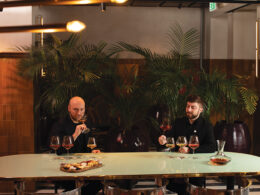
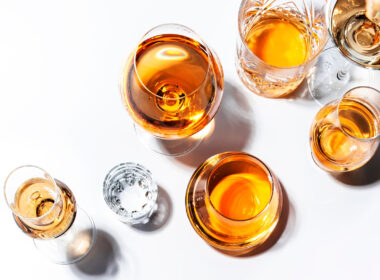
David Abzianidze: There is a proper way to taste brandy, and one important aspect of this is the shape of the glass. Of all the types available, the snifter is the best. It allows you to fully appreciate the aromas.
To fully appreciate the aromas, it is best to warm the brandy slightly. The optimal temperature is roughly that of your hand. In bars, brandy is sometimes warmed over a candle, but this often disperses the aromas. Chilling is also not recommended, especially with ice. The quality of this spirit is judged primarily by its aroma. Aromatic compounds are volatile and become locked at low temperatures, making them difficult to detect. Even gentle warming begins to release them. The older the brandy, the longer it should be warmed, particularly to reveal the piquant vanilla notes developed during oak ageing.

There are many types of wood in nature, but for ageing brandy, only oak has been chosen, thanks to the French. From the 17th century, brandy was sent from France to other European countries in casks made from various types of wood. Gradually, it was discovered that spirits aged better in certain types of casks. Through trial and error, it was determined that oak was the ideal choice. At the end of the 19th century, oak wood was studied in detail and it was found to contain all the usual components, including cellulose, hemicellulose, tannins, and colouring compounds, which are also present in other woods. But there was one component that set it apart, the phenolic compound lignin. This compound is either absent or present only in small amounts in other types of wood.

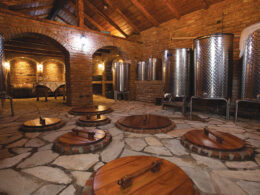
When young, highly active spirit enters the oak, it begins to extract all the components mentioned earlier. This is followed by an oxidation process. A cask is ideal for ageing because this process occurs naturally within it. It is the oxidation of lignin that produces the largest number of aromatic compounds. This phenolic compound is precisely what gives brandy its distinctive flavours and aromas.
Brandy is the only spirit made from two essential elements, grapes and oak wood. Remove either one, and it is impossible to speak of brandy.
Today, the sales of brandy and cognac no longer reach the levels they once did on international markets. This is a point often noted in France and Portugal. The main competitor for cognac and brandy is whisky. In modern bars, brandy is frequently served with ice or mixed with tonic, which, in my view, takes away its greatest quality, its aromas.
Giorgi Samanishvili: However, it should be noted that, in this way, bars are well aligned with the tastes and preferences of the younger generation, which is commercially advantageous.
David Abzianidze: The history of brandy in Georgia is closely linked to David Sarajishvili, a 20th-century public figure, philanthropist and innovator. At ‘Sarajishvili’ we continue to produce brandy successfully, offering brandies of various ages on both the local and international markets.
Levan Ujmajuridze: It should also be noted that David Sarajishvili’s predecessor, who is considered the founder of brandy production in Georgia, was Giorgi Bolkvadze. In 1865, at the company he established in the city of Kutaisi, he produced a brandy-style spirit and named it ‘Giorgi Bolkvadze’s Caucasian Natural Cognac.’ In addition to brandy, Bolkvadze also produced a variety of other spirits, including fruit distillates.
In Georgia, the development of brandy was made possible thanks to David Sarajishvili. He began producing this spirit in 1898. David was the only child of an educated and affluent family. His parents were prominent merchants and had the means to provide him with a quality education. Sarajishvili first studied in St Petersburg and then in Munich, Germany. While studying high-proof spirits, he discovered that among these types of drinks, cognac is unique in being made from grapes, primarily from three varieties, Folle Blanche, Colombard and Ugni Blanc. Georgia had more than 500 grape varieties, which prompted David Sarajishvili to travel to France and study cognac production in detail with Michel Camus, as he wanted to adapt this technology to Georgian grape varieties.
What makes these three French varieties interesting is that they are highly acidic and low in sugar. They are unsuitable for winemaking but ideal for cognac production, which requires precisely this high acidity. The higher the acidity of the wine, the more aromatic compounds, including aldehydes and esters, are transferred to the spirit. For brandy production, David Sarajishvili selected the best leading grape varieties from western Georgia, Tsitska and Tsolikouri, which are notable for their high acidity.
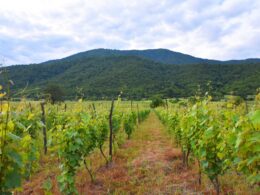
Levan Ujmajuridze: In this respect, Rkatsiteli was the dominant variety in eastern Georgia, particularly cultivated at the foot of the Caucasus Mountains on the left bank of the Alazani River, where there are alluvial soils. Varieties like this, from both western and eastern Georgia, became the foundation for well-known brandies such as Gremi, Vartsikhe and Eniseli. All three were created by Vakhtang Tsitsishvili.
History: In 1912, Vakhtang Tsitsishvili, with the support of David Sarajishvili, enrolled at the Faculty of Agricultural Technology at the Agricultural Institute in Dijon, France. After completing his studies, he returned to Georgia and began working at Sarajishvili’s cognac factory. From 1924, he served as a technologist, and from 1949 he held the positions of Deputy Director and Chief Technologist of the factory. Under his direct supervision, iconic Georgian brandies were created, including Eniseli, Gremi and Vartsikhe, all of which have won multiple gold and silver medals at international competitions and tastings.
Levan Ujmajuridze: The creation of these brandies was based directly on Georgian grape varieties. Suitable equivalents of the French varieties were identified, including Tsitska, Tsolikouri, Rkatsiteli, Chinuri, Goruli Mtsvane and Kakhuri Mtsvane. Later, another Imeretian variety, Dondghlabi, was added to the mix.
Here is a list of Georgian grape varieties mentioned in literary sources that were considered, and still are, potential bases for brandy production: Rkatsiteli, Tsolikouri, Tsitska, Dondghlabi, Andreuli Shavi, Andreuli Vardisperi, Buera, Gabasha, Chrogha Kakhuri, Dondghlabi Shavi, Dondghlabi Tsiteli, Vertkvichalis Tetri, Tavkveri Didmartsvala, Tavkveri Patalanteuli, Mgaloblishvili, Jachvadziseuli, Ghrubela Kartlis, Kakutura, Mtsvivani, Mirzaanuli, Zhghia Sagviano and Lakvazhi (an Abkhazian variety).
David Sarajishvili succeeded in creating a Georgian brandy empire using six grape varieties. To bring out the full potential of the grape varieties mentioned above, further research is needed in order to introduce greater diversity into brandy production. Some varieties have significant ageing potential and reveal their full organoleptic character only with time, which is especially important in the production of Georgian brandy.
Giorgi Samanishvili: When we talk about ageing, I must mention the traditional Chinese spirit, baijiu. Baijiu is made from a variety of grains, the most popular being sorghum, sorghum is similar to our local chada and ghomi grains, which is fermented using well-preserved traditional methods and then distilled. In China, it is very popular to age this spirit, baijiu, in porous clay (terracotta) vessels similar to our qvevri. This allows micro-oxygenation, which does not change the colour but refines the flavour and aroma. In my view, clear spirits, including ones like Georgian chacha, would benefit greatly from ageing in good clay vessels.
ქართული სპირტიანი სასმელები: ჭაჭა, ხილის დისტილატები, ღვინის ბრენდი, მათი წარმოების ისტორია და თანამედროვე პერსპექტივები (ნაწილი II)
გიორგი სამანიშვილი | ენოლოგიის მაგისტრი |
თანამედროვე ბაზრის ტენდენციები
გიორგი სამანიშვილი: არსებობს თეთრი სპირტები და დავარგებული სპირტები. თეთრი სპირტების (ანუ წყალივით უფერო) მიმართ მაღალი მოთხოვნა უკვე ტენდენციად იქცა, მათ შორის, ახალგაზრდა მომხმარებელში. ამის გამოა, არმანიაკმაც რომ დაიწყო თეთრი სპირტის (არმანიაკი თეთრი) გამოშვება. იგივე ხდება ტეკილაში: დავარგებული ტეკილა, რომელსაც ფერი აქვს, ხელმეორედ ხდიან, რა დროსაც დავარგების არომატს ინარჩუნებს, მაგრამ ფერზე თეთრია. აქვე დავძენ, რომ ტეკილას დამზადება როგორც ინდუსტრიულად, ისე არტიზანულად ხდება და მათ ერთმანეთისგან აბსოლუტურად განსხვავებული გემოები აქვს. არტიზანულია მესკალი, რომელიც სულ უფრო პოპულარული ხდება, როგორც ეს მსოფლიოში არტიზანული ღვინოების შემთხვევაში მოხდა. მესკალიც და ტეკილაც ადგილწარმოშობის დასახელებებია ჭაჭის, კონიაკისა და შამპანურის მსგავსად.
ზოგადად, არყებში, დავარგება მიღებული პრაქტიკაა. დღეს, თეთრი არყის ტენდენციაა, თორემ ტრადიციულად, სწორედ დავარგებული ჭაჭის არყები იყო პოპულარული. უმაღლესი სპირტები რაც უფრო ძველდება, მით მეტად იძენს საინტერესო და დახვეწილ გემოებს. მაგალითად, რომი. დავარგებული რომის დავარგებული კონიაკისგან გარჩევა რთულიც კი არის. ყველა კარგ სპირტიან სასმელს უხდება დავარგება.
დავით აბზიანიძე: მუხის მერქანი უკეთილშობილესი მერქანია, რომელსაც შეუძლია, არაპერსპექტიული სპირტიც კი გამოაკეთოს, არომატები შესძინოს და გააკეთილშობილოს.
ქართული ბრენდი
დავით აბზიანიძე: ბრენდის დაგემოვნებას თავისი წესი აქვს და ამ წესში ერთ-ერთი მნიშვნელოვანი ჭიქის ფორმაა. ყველა არსებულს შორის, საუკეთესოა სნიფტერი (ბრენდის ჭიქის სახეობა), რომელშიც არომატებს სრულად შეირძნობთ.
არომატების მაქსიმალურად შესაგრძნობად სასურველია, ბრენდი შეათბოთ. ოპტიმალური თქვენი ხელის ტემპერატურაა. ხშირად, ბარებში, ბრენდის სანთლის ალზეც ათბობენ, რა დროსაც არომატიკა იფანტება. არც გაციებაა რეკომენდებული, მით უფრო ყინულის მეშვეობით. ამ სასმელში ხარისხის კრიტერიუმი სწორედ არომატია. არომატული ნივთიერებები მქროლავი ნივთიერებებია, რომლებიც დაბალ ტემპერატურაზე იბოჭებიან და ყნოსვისთვის ძნელად მისაწვდომი ხდებიან. ოდნავი შეთბობაც კი იწყებს მათ გახსნას. რაც უფრო ძველია ბრენდი, მით მეტ ხანს უნდა შეათბოთ, განსაკუთრებით მუხაში დავარგების შედეგად განვითარებული ვანილის პიკანტური არომატის გასახსნელად.
ბუნებაში უამრავი მერქანი არსებობს, მაგრამ ბრენდის დასავარგებლად მხოლოდ მუხის მერქანია შერჩეული, რაც ფრანგების დამსახურებაა. მე-17 საუკუნიდან, საფრანგეთიდან ევროპის ქვეყნებში ბრენდი სხვადასხვა ხისგან დამზადებული კასრებით იგზავნებოდა. ნელ-ნელა აღმოაჩინეს, რომ კონკრეტული ხის კასრებში სასმელი უკეთეს არომატებს იძენდა. გამოხშირვის საფუძველზე დადგინდა, რომ ეს მუხა გახლდათ. მე-19 საუკუნის ბოლოს, მოხდა მუხის მერქნის შესწავლა და მასში ყველა ის ნივთიერება – ცელულოზა, გემიცელულოზა, მთრიმლავი, შემღებავი ნივთიერებები – აღმოჩნდა, რაც სხვა მერქნებშიც გვხვდება, მაგრამ იყო კიდევ ერთი – ფენოლური ნაერთი ლიგნინი. ეს ნაერთი სხვა მერქანში ან საერთოდ არ გვხვდება, ან გვხვდება მხოლოდ მცირე რაოდენობით.
მუხაში მოხვედრისას, ახალგაზრდა და ძალიან აქტიური სპირტი ყველა ზემოხსენებული ნივთიერების ექსტრაქციას იწყებს რასაც მოჰყვება დაჟანგვის პროცესი. კასრი საუკეთესოა სადავარგებლად, რადგან მასში ეს პროცესი ბუნებრივად მიმდინარეობს. სწორედ ლიგნინის დაჟანგვის შედეგად წარმოიშობა ყველაზე მეტი არომატული ნივთიერება. განსხვავებულ გემოსა და არომატს ბრენდის სწორედ ეს ფენოლური ნაერთი ანიჭებს.
ბრენდი ერთადერთი სასმელია ორი აუცილებელი მდგენელით – ყურძენი და მუხა/მუხის მერქანი. ერთ-ერთი რომ გამოთიშო, ბრენდიზე საუბარი წარმოუდგენელი იქნება. დღეს, ბრენდისა და კონიაკის რეალიზაციის მაჩვენებელი იმ ნიშნულებს ვეღარ აღწევს, რაც საერთაშორისო ბაზრებზე ამ ტიპის სასმელზე ფიქსირდებოდა. ამის შესახებ საუბრობენ საფრანგეთში, პორტუგალიაში. კონიაკისა და ბრენდის ძირითადი კონკურენტი ვისკია. მის მსგავსად, თანამედროვე ბარებში ბრენდის შეთავაზება ყინულით, ან ტონიკის დამატებით ხდება, რაც, ჩემი მოსაზრებით, ამ სასმელს უკარგავს მთავარ ღირსებას – არომატებს.
გიორგი სამანიშვილი: თუმცა, ისიც უნდა აღინიშნოს, რომ სწორედ ასეთი ფორმით ბარები კარგად ერგებიან ახალგაზრდა თაობის გემოვნებასა და არჩევანს, რაც კომერციული თვალსაზრისით მომგებიანია.
დავით აბზიანიძე: საქართველოში ბრენდის ისტორია მჭიდროდ არის დაკავშირებული დავით სარაჯიშვილის სახელთან – მეოცე საუკუნის საზოგადო მოღვაწესთან, მეცენატთან და ინოვატორთან. “სარაჯიშვილში” დღემდე წარმატებით ვაწარმოებთ ბრენდის, რომელიც სხვადასხვა დაძველებით არის წარმოდგენილი ადგილობრივ და საერთაშორისო ბაზრებზე.
ლევან უჯმაჯურიძე: დავით სარაჯიშვილის წინამორბედი, რომელიც საქართველოში ბრენდის წარმოების ფუძემდებლად ითვლება, გიორგი ბოლქვაძეა. სწორედ მან, 1865 წელს, ქალაქ ქუთაისში დააარსა კომპანია, სადაც ჩამოასხა ბრენდის ტიპის სასმელი და დაარქვა “გიორგი ბოლქვაძის კავკასიური ნატურალური კონიაკი”. ბრენდის გარდა, ბოლქვაძე აწარმოებდა სხვადასხვა ტიპის სასმელს, მათ შორის, ხილის დისტილატებს.
დავით აბზიანიძე: თუმცა ბრენდიმ (მაშინ კონიაკად პოზიციონირებულმა) საქართველოში განვითარება სწორედ დავით სარაჯიშვილის მეშვეობით შეძლო. ამ სასმელის წარმოება დავითმა 1898 წლიდან დაიწყო. ის განათლებული, შეძლებული ოჯახის ერთადერთი შვილი გახლდათ. მშობლებს შვილისთვის კარგი განათლების მისაცემად შესაბამისი სახსრები გააჩნდათ. სარაჯიშვილი ჯერ პეტერბურგში, შემდეგ კი გერმანიაში (მიუნჰენი) სწავლობდა. მაღალალკოჰოლური სასმელების შესწავლისას აღმოაჩინა, რომ კონიაკი ერთადერთია, რომელსაც ყურძნისეული წარმოშობა აქვს და ძირითადად, სამი ჯიშისგან – ფოლ ბლანში, კოლამბარი, უნი ბლანი – მზადდება. საქართველოს ყურძნის 500-ზე მეტი ჯიში გააჩნდა, რაც გახდა კიდეც დავით სარაჯიშვილის საფრანგეთში, მიშელ კამიუსთან გამგზავრებისა და კონიაკის დამზადების ტექნოლოგიის საფუძვლიანად შესწავლის მიზეზი, სურდა ეს ტექნოლოგია ქართული ჯიშებისთვის მოერგო.
რით არის ეს სამი ფრანგული ჯიში საინტერესო? მათ მაღალი მჟავიანობა და დაბალი შაქრიანობა ახასათებს. ღვინისთვის გამოუსადეგარია, მაგრამ საკონიაკე სპირტისთვის, რომელსაც სწორედ ასეთი მაღალმჟავიანობა ესაჭიროება – საუკეთესო. რაც მეტად მაღალმჟავიანია ღვინო, მით მეტი არომატული ნივთიერებები – უმაღლესი სპირტები, ალდეგიდები, ეთერები – გადადის სპირტში. ბრენდის წარმოებისთვისთვის, დავით სარაჯიშვილმა დასავლეთ საქართველოს წამყვანი ჯიშები – ციცქა და ცოლიკოური შეარჩია, რომლებიც სწორედ მაღალმჟავიანობით გამოირჩევა.
ლევან უჯმაჯურიძე: ამ მხრივ, აღმოსავლეთ საქართველოში დომინირებდა რქაწითელი, მაგრამ გაშენებული კონკრეტულად კავკასიონის ქედის ძირში, ალაზნის მარცხენა სანაპიროზე, სადაც ალუვიური ნიადაგებია. ასეთი ჯიშები, როგორც დასავლეთ, ისე აღმოსავლეთ საქართველოდან, გახდა კიდეც საფუძველი ისეთი ცნობილი ბრენდების შექმნის, როგორიც გრემი, ვარციხე და ენისელია. სამივეს ავტორი ვახტანგ ციციშვილი გახლდათ.
ისტორია: 1912 წელს, ვახტანგ ციციშვილი, დავით სარაჯიშვილის დახმარებით, საფრანგეთში, ქალაქ დიჟონის სამეურნეო ინსტიტუტის სამეურნეო ტექნოლოგიის ფაკულტეტზე ჩაირიცხა. დასრულების შემდეგ, საქართველოში დაბრუნდა და სარაჯიშვილის კონიაკის ქარხანში დაიწყო მუშაობა. 1924 წლიდან ტექნოლოგის, 1949 წლიდან კი კონიაკის კომბინატის დირექტორის მოადგილისა და კომბინატის მთავარ ტექნოლოგის პოზიციას იკავებდა. მისი უშუალო ხელმძღვანელობით შეიქმნა სამარკო ქართული ბრენდები: ენისელი, გრემი, ვარციხე, რომლებსაც საერთაშორისო კონკურსებსა და დეგუსტაციებზე არაერთხელ აქვს მოპოვებული ოქროსა და ვერცხლის მედლები.
ლევან უჯმაჯურიძე: ამ ბრენდების შექმნა სწორედ ქართულ ჯიშებს დაეფუძნა. მოიძებნა ფრანგული ჯიშების სწორი ანალოგები: ციცქა, ცოლიკოური, რქაწითელი, ჩინური, გორული მწვანე, მწვანე კახური. მომავალში მათ დაემატა კიდევ ერთი იმერული ჯიში დონდღლაბი.
გიზიარებთ ლიტერატურულ წყაროებში მოყვანილ ქართულ ჯიშებს, რომლებიც პოტენციურად ითვლებოდა და დღესაც ითვლება საბრენდე სპირტების სანედლეულო ბაზად: რქაწითელი, ცოლიკოური, ციცქა, დონდღლაბი, ანდრეული შავი, ანდრეული ვარდისფერი, ბუერა, გაბაშა, ჭროღა კახური, დონდღლაბი შავი, დონდღლაბი წითელი, ვერტყვიჭალის თეთრი, თავკვერი დიდმარცვალა, თავკვერი პატალანთეული, მგალობლიშვილი, ჯაჭვაძისეული, ღრუბელა ქართლის, ქაქუთურა, მცვივანი, მირზაანული, ჟღია საგვიანო, ლაკვაჟი (აფხაზური ჯიში).
დავით სარაჯიშვილმა შეძლო ექვსი ჯიშისგან ბრენდის ქართული იმპერია შექმნა. ზემოხსენებული ვაზის ჯიშების პოტენციალის გამოსაკვეთად კი საჭიროა დამატებითი კვლევები, რათა მეტი მრავალფეროვნება გვქონდეს ბრენდის წარმოებაში. არის ჯიშები, რომლებსაც დაძველების დიდი პოტენციალი აქვს და სწორედ დაძველებისას ავლენენ თავის ორგანოლეპტიკას, რაც ქართული ბრენდის წარმოებისას მეტად მნიშვნელოვანია.
გიორგი სამანიშვილი: როცა დაძველებაზე ვსაუბრობთ, აუცილებლად მინდა ვახსენო ჩინური ტრადიციული არაყი ბაიჯიუ. ეს არაყი სხვადასხვა მარცვლეულისგან მზადდება. მათ შორის, ყველაზე პოპულარული სორგოსგან დამზადებული ბაიჯუა. სორგო, ჩვენებური ჭადას და ღომის მსგავსი მარცვლეულია, რომელსაც კარგად შემონახული ტრადიციული მეთოდებით დაადუღებენ და შემდეგ გამოხდიან. ჩინეთში ძალიან პოპულარულია ამ სპირტის, ანუ ბაიჯიუს დაძველება ჩვენი ქვევრის მსგავს თიხის ფორებიან (ტერაკოტა) ჭურჭელში, სადაც ხდება მიკროოქსიგენაცია, რა დროსაც ფერი არ იცვლება, მაგრამ იხვეწება გემო და არომატი. ჩემი აზრით, თეთრ სპირტებს, მათ შორის ისეთს, როგორიც ქართული ჭაჭაა, ძალიან მოუხდება კარგ თიხის ჭურჭელში დაძველება.