




| The Flavour of Lechkhumi’s Myths and Legends |
Homeland of Wine Magazine
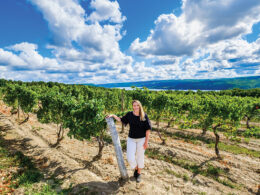
I don’t know whether the Argonauts ever truly reached this land, or whether Zeus really had Prometheus chained to Mount Khvamli, and whether Heracles freed him. What is certain, however, is that these ancient Greek myths still live on in Lechkhumi today. Enclosed by this mystical mountain, which rises 2,002 metres above sea level, the village of Tvishi (Tvishi microzone) is where Miranda Chkhetiani, a Lechkhumian vinegrower and winemaker, grows Tsolikouri and crafts her wines. Visiting her is what makes any journey through the region feel truly complete.


Lechkhumi, with its stunning landscapes, feels like a world of its own. The region is full of legends, untouched nature, and sun-warmed vineyards. Framed by cliffs and enveloped in greenery, Lechkhumi’s greatest treasures are its location and its people, who continue to uphold and nurture the region’s ancient winemaking traditions to this day. Like other regions of our country, Lechkhumi has a long-standing winemaking tradition. The area is distinguished by its ideal combination of climate and soils, as well as by its intriguing grape varieties. Together with Racha, Lechkhumi forms the Racha-Lechkhumi winemaking region, though the two are distinct from one another.
The vineyards in this region enjoy an exceptional location, with most being planted in the valleys of the Rioni and Tskhenistskali rivers. The main regional centre, which unites the winemaking villages, is Tsageri. Among the local white grape varieties, one of the most notable is Tsolikouri.

I planted these vineyards myself and continue to tend them. This job is my heart and soul. I love every single vine and can even remember which bunch grew where. I put thought into every bunch, every berry. Long before the wine reaches the bottle, I have already worked through every step in my mind and heart. There is no work I could love more.
“Tsolikouri is not originally a Lechkhumian variety; it was brought from Imereti. Yet, it has adapted so perfectly to the soils and climate of our region, developing such remarkable aromas, that the wine made from it is exceptional”, says Miranda, whom we visited in late autumn. In one vineyard, she had already completed the harvest, while in another, preparations were still underway.
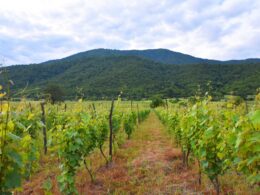
One of her two Tsolikouri vineyards is planted in front of her house, the other is farther down the slope. Both overlook Mount Khvamli. Together, the vineyards cover 4,000 square metres and are planted with a total of 1,000 Tsolikouri vines. Grapes from these plots produce a wine of straw-gold hue, with lively acidity, rich fruit and floral aromas, and a complex, lingering finish.

Each bottle of Miranda’s wine captures the energy of Lechkhumi’s soil, mountains, and sun. So, if you’re unsure which wine to choose to fill your wine shelf, Miranda’s Tsolikouri is undoubtedly an excellent choice. “Both vineyards are planted with vines I personally propagated. I worked in the nursery myself. I planted my first vine in 2013. The lower vineyard was inherited from my grandfather, and the vines there were 70 years old. I decided to remove the old vineyard, work the soil afresh, and plant a new one”, says Miranda, walking along the rows of Tsolikouri. At the top of the vineyard, she has left a few old vines from the previous planting in honour of her grandfather, Sergo Chkhetiani, who, she tells us, was a well-known agronomist. She never met him, yet she is certain that most of all, the love for tending vineyards in their family was passed down to her.
In Georgia, such a distinctive, naturally semi-sweet wine made from Tsolikouri is produced only here. Our region has limestone and high-acidity soils, which is the greatest advantage nature provides, as we are surrounded by cliffs. Our microzone feels almost enclosed in a qvevri; the sun-warmed rocks retain heat throughout the day and into the following night, benefiting both the vineyards and the grapes.

Tazo Tamazashvili (wine expert, sommelier): In Lechkhumi, Tsolikouri has always been vinified dry, even before the naturally semi-sweet Tvishi wine was registered as a PDO. This tradition is still maintained today. Lechkhumi Tsolikouri has always stood out and continues to stand out for its lively acidity, which gives it the potential to age gracefully in the bottle for many years. Tsolikouri can easily be compared to international varieties such as Riesling.
This region is full of slopes. Planting vineyards and working them on such terrain is challenging, yet many well-known regions around the world are distinguished by the same feature, including in Austria, Germany, and Italy. Even the mountainous Trentino-Alto Adige, with its centuries-old tradition of producing wine from local, unique grape varieties, is a notable example.
Lechkhumi is a similarly small region, remarkable for its uniqueness and excellent grape varieties. It is surrounded by mountains, which act as a protective shield, safeguarding the vineyards from drought and hail, hazards that have become increasingly frequent in various parts of Georgia in recent years.
Developing tourism in small regions like this is extremely important, as it allows more people from around the world to visit this beautiful area and experience its culture, traditions, and cuisine. Wine tourism, in particular, should be promoted, as it encourages the production of more refined wines.
This is precisely the region where wine writers, sommeliers, critics, and Masters of Wine should visit, giving local wines the opportunity not to be dependent on a single style or market. It would be the best way for winemakers, whether from the older or newer generation, to develop their skills, advance the region, expand vineyard areas, and produce more high-quality wine.
Miranda’s wine ferments in qvevris, which she has planted in her yard, following local custom. Elders say that, due to the acidic soils and humidity in the region, a qvevri cannot be kept in a traditional cellar. For this reason, in Lechkhumi, qvevris have always been planted outdoors. Above them, a trellis is built to shield them from direct sunlight.
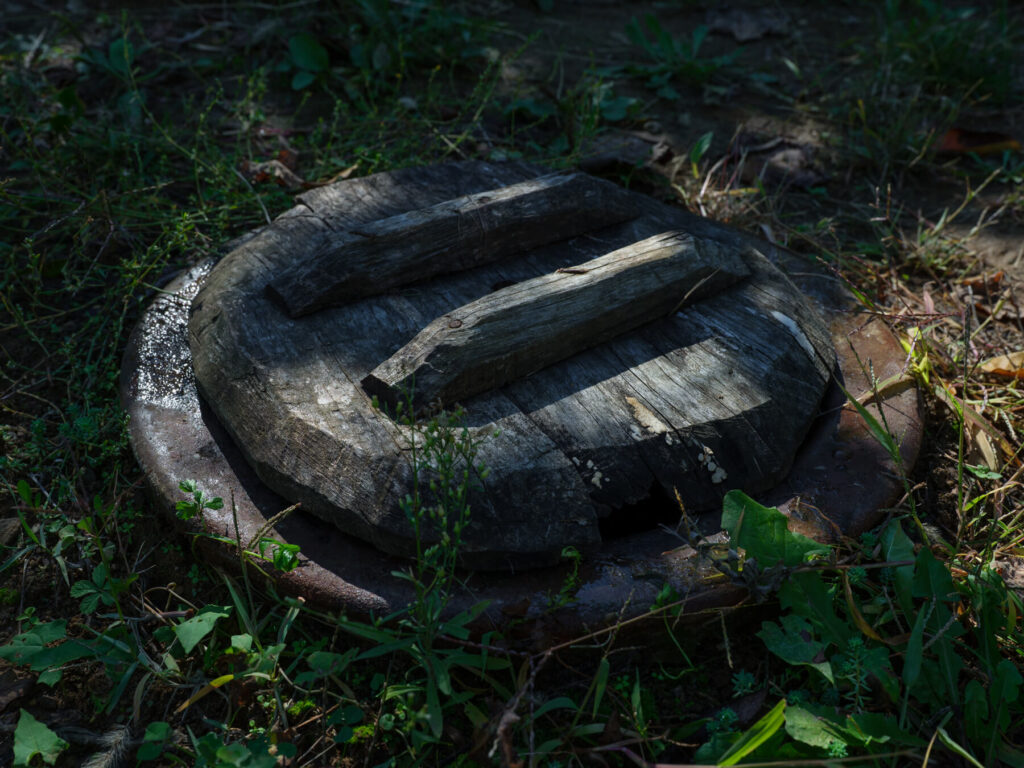
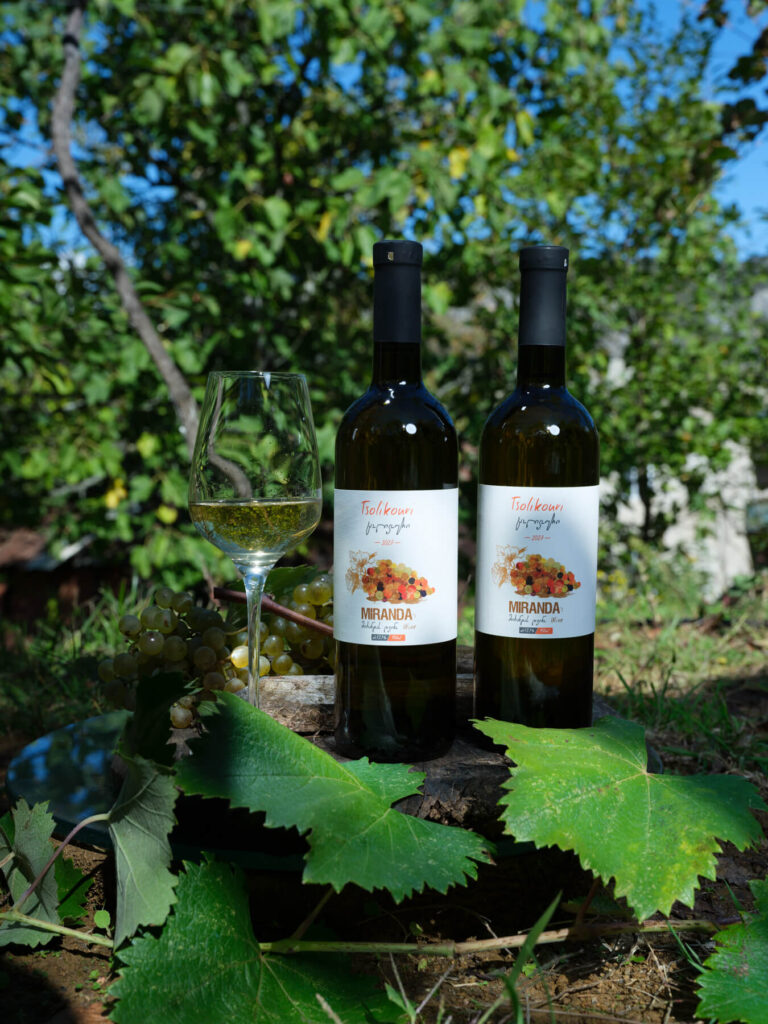
The wine, without skins and stems, remains in the qvevris for six months. When the warm weather arrives in Tvishi, usually in April, Miranda racks the wine from the qvevris, transfers it to vats in the cellar, and after maturing there until September, it is bottled. Fermentation takes place naturally, which is why each year’s vintage is slightly different, says the winemaker.
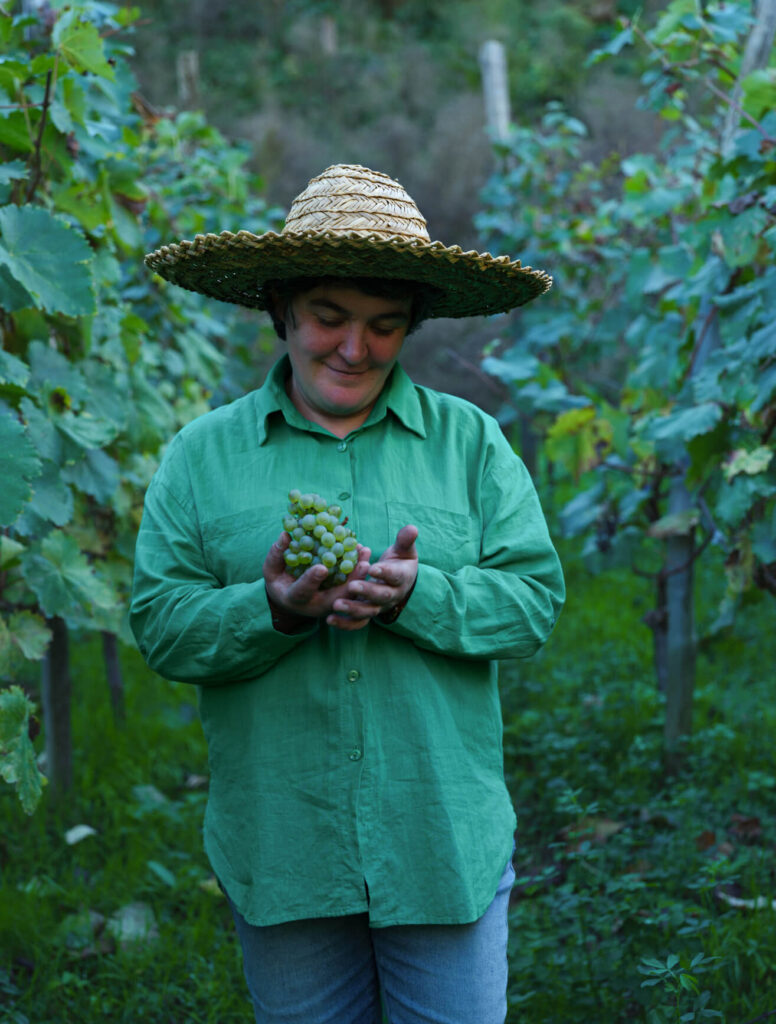
Each year, up to 2,000 bottles of wine are produced from both vineyards. Following natural winemaking methods and tending the vineyards using only natural means, she has no plans to increase the quantity. I planted these vineyards myself and continue to tend them. This job is my heart and soul. I love every single vine and can even remember which bunch grew where. I put thought into every bunch, every berry. Long before the wine reaches the bottle, I have already worked through every step in my mind and heart. There is no work I could love more.

Miranda exports her wine to the United States. Her wines are also known in the UK and China. Due to the limited production, her Tsolikouri is less widely available on the local market.
Lechkhumian Cuisine and Wine
In Lechkhumi, we encounter a culinary culture that blends the traditions of other regions of western Georgia, including the neighbouring mountainous Racha and Imereti. Local dishes are mostly vegetable-based with minimal meat content. In general, pkhaleuli (a selection of traditional Georgian minced vegetable dishes) holds a special place in both western and eastern Georgian cuisine.
In this respect, Lechkhumi is no exception. One of the region’s best appetizers is pkhaleuli, which pairs beautifully with Tvishi Tsolikouri. Lobio and lobiani are popular and much-loved dishes both in Racha and Lechkhumi. Here, you will find various ways of preparing and seasoning these bean-based dishes. Among meat dishes, piglet roasted in a tone (a traditional clay oven) is a local favourite. You can enjoy all of this when visiting Miranda in Lechkhumi, a magical region where myths and legends still live and where Miranda’s wine is crafted from Tsolikouri vineyards.
მირანდას ღვინო: ლეჩხუმური მითებისა და ლეგენდების გემო
არ ვიცი, მართლა მოაღწიეს თუ არა ამ მხარემდე არგონავტებმა, მიაჯაჭვეს თუ არა, ზევსის ბრძანებით ხვამლის მთაზე პრომეთე და იხსნა თუ არა ის ჰერაკლემ, მაგრამ ფაქტია, რომ ეს ძველბერძნული მითები ლეჩხუმში დღესაც ცოცხლობს. სწორედ ამ მისტიკური, ზღვის დონიდან 2002 მეტრზე ამოზიდული მთით შემოსაზღვრულ სოფელ ტვიშში მოჰყავს ცოლიკოურის ჯიშის ყურძენი და აწარმოებს ღვინოს მირანდა ჩხეტიანი – ლეჩხუმელი მევენახე-მეღვინე, რომელთან სტუმრობის გარეშეც ამ მხარეში მოგზაურობა ნამდვილად ვერ იქნება სრულყოფილი.
ლეჩხუმი, თავისი საოცარი პეიზაჟებით, ცალკე სამყაროს წააგავს. აქაურობა სავსეა ლეგენდებით, ხელუხლებელი ბუნებითა და მზით გამთბარი ვენახებით. კლდეებით შემოსაზღვრული, სიმწვანეში ჩაფლული ლეჩხუმის ყველაზე დიდი სიმდიდრე მისი ადგილმდებარეობა და ხალხია, რომლიც აქაური მეღვინეობის უძველეს ტრადიციას დღემდე ინარჩუნებს და აგრძელებს. ჩვენი ქვეყნის სხვა რეგიონების მსგავსად, მეღვინეობის დიდი ტრადიციები ლეჩხუმსაც გააჩნია. ეს მხარე კლიმატისა და ნიადაგების საუკეთესო შეხამებითა და ყურძნის საინტერესო ჯიშებით გამოირჩევა. ლეჩხუმი, რაჭასთან ერთად, რაჭა-ლეჩხუმის მეღვინეობის რეგიონად არის მონიშნული, თუმცა ისინი ერთმანეთისგან განსხვავებულია.
ამ მხარეში ვენახებს შესანიშნავი ადგილმდებარეობა აქვს. მათი უმეტესობა რიონისა და ცხენისწყლის ხეობებშია გაშენებული. მთავარი რეგიონული ცენტრი, რომელიც მეღვინეობის სოფლებს აერთიანებს, ცაგერია. აქაური თეთრყურძნიანი ჯიშებიდან ერთ-ერთი გამორჩეული ცოლიკოურია.
ცოლიკოური ლეჩხუმური ჯიში არ არის, იმერეთიდანაა შემოტანილი, მაგრამ ჩვენი რეგიონის ნიადაგებსა და კლიმატში ისე მოიწონა თავი, ისეთი საოცარი არომატები განუვითარდა, რომ მისგან საუცხოო ღვინო გამოდის – ამბობს მირანდა, რომელთანაც შემოდგომის მიწურულს ჩავედით. ერთ ვენახში რთველი დასრულებული ჰქონდა, მეორეში კი სამზადისში იყო.
ცოლიკოურის ორი ვენახიდან ერთი სახლის წინ აქვს გაშენებული, მეორე ქვედა მხარეს. ორივეს ზედ ხვამლის მთა დაჰყურებს. ვენახების, სადაც 1000 ძირი ცოლიკოურია გაშენებული, საერთო ფართობი 4000 კვ.მეტრია. აქ მოწეული ყურძნისგან დგება მოოქროსფერო ჩალისფერი შეფერილობის, ცოცხალი მჟავიანობის ღვინო, მდიდარი ხილისა და ყვავილების არომატებით, კომპლექსური, ხანგრძლივი დაბოლოებით. მირანდას ღვინის თითოეულ ბოთლში ლეჩხუმის მიწისა და მთებისა ენერგიაა მოქცეული. ასე რომ, თუ არ იცით, რომელი ღვინო გესაჭიროებათ ღვინის თაროს შესავსებად, მირანდას ცოლიკოური უდავოდ შესანიშნავი არჩევანია.
ორივე ვენახი ჩემი გამოყვანილი ნერგით არის გაშენებული. სანერგეში თავად ვმუშაობდი. ჩემი პირველი ვაზი 2013 წელს გავაშენე. ქვედა ვენახი, 70 წელს მიღწეული ვაზით, ბაბუის დანატოვარი იყო. გადავწყვიტე, ძველი ვენახი ამეჭრა, მიწა ხელახლა დამემუშავებინა და ახალი ვენახი გამეშენებინა, – ამბობს მირანდა და ცოლიკოურის რიგებს მიუყვება. ვენახის თავში, ძველი ვენახიდან რამდენიმე ძირი ვაზი აქვს დატოვებული, ბაბუის – სერგო ჩხეტიანის პატივსაცემად, რომელიც, ცნობილი აგრონომი იყო. თავად არ მოსწრებია ბაბუას, მაგრამ დარწმუნებით ამბობს – ჩვენს ოჯახში, ვენახის მოვლის სიყვარული მისგან ყველაზე მეტად ჩემზე გადმოვიდა.
საქართველოში, ცოლიკოურის ჯიშისგან ასეთი განსაკუთრებული, ბუნებრივად ნახევრადტკბილი ღვინო მხოლოდ აქ დგება. ჩვენს მხარეში კირქვა და მაღალმჟავიანი ნიადაგებია – ეს დიდი პლუსია, რასაც ბუნებრივი პირობები ემატება – ირგვლივ კლდეებით ვართ გარშემორტყმული. ჩვენი მიკროზონა თითქოს ჭურშია მოქცეული, დღის განმავლობაში მზისგან გამთბარი კლდეები ტემპერატურას მეორე დღემდე ინარჩუნებს, რაც დადებითად აისახება ვენახსა და ყურძენზე.
თაზო თამაზაშვილი (ღვინის ექსპერტი. სომელიე): “ლეჩხუმში ცოლიკოურს ყოველთვის მშრალად აყენებდნენ, მანამდეც, ვიდრე ბუნებრივად ნახევრად ტკბილი ტვიში დაცული ადგილწარმოშობის დასახელების ღვინოდ დარეგისტრირდებოდა. ეს ტრადიცია აქ დღესაც შენარჩუნებულია. ლეჩხუმის ცოლიკოური გამოირჩეოდა და გამოირჩევა ცოცხალი მჟავიანობით, რაც საშუალებას აძლევს, ჰქონდეს ბოთლში მრავალწლიანი დაძველების პერსპექტივა. ცოლიკოური თავისუფლად შეგვიძლია შევადაროთ ისეთ საერთაშორისო ჯიშს, როგორიც რისლინგია.
ამ მხარეში უამრავი ფერდი გვხვდება. ასეთ ლანდშაფტზე ვენახების გაშენება და მათთან მუშაობა რთულია, თუმცა ამ ნიშნით გამორჩეული არაერთი ცნობილი რეგიონი ვიცით, მათ შორის, ავსტრიაში, გერმანიაში, იტალიაში. თუნდაც მაღალმთიანი ტრენტინო-ალტო ადიჯე, ადგილობრივი უნიკალური ჯიშებისგან ღვინის წარმოების მრავალსაუკუნოვანი ტრადიციით. ასეთივე პატარა რეგიონია ლეჩხუმი, თავისი უნიკალურობით და ყურძნის შესანიშნავი ჯიშებით. გარს მთები აკრავს, რაც დამცავ ფარს წარმოადგენს და გვალვისგან და სეტყვისგან (რაც ბოლო პერიოდში, საქართველოს სხვადასხვა რეგიონში განსაკუთრებით გახშირებულია) იცავს.
მნიშვნელოვანია, ასეთ პატარა რეგიონებში ტურიზმის განვითარება, რათა სხვადასხვა ქვეყნიდან სულ უფრო მეტ ადამიანს მიეცეს შესაძლებლობა, მოინახულოს ეს უმშვენიერესი მხარე, გაიცნოს მისი კულტურა, ტრადიციები, სამზარეულო. აუცილებლად უნდა განვითარდეს ღვინის ტურიზმი, რაც განაპირობებს მეტი დახვეწილი ღვინის წარმოებას. სწორედ ამ მხარეში ტურისტებად უნდა ჩამოდიოდნენ ღვინის მწერლები, სომელიეები, კრიტიკოსები, ღვინის მაგისტრები, რომლებიც აქაურ ღვინოს მისცემენ შესაძლებლობას, არ იყოს დამოკიდებული ერთ რომელიმე სტილზე და ერთ რომელიმე ბაზარზე. ეს იქნება საუკეთესო შესაძლებლობა, რათა ძველი თუ ახალი თაობის მეღვინეებმა შეძლონ განვითარება, განავითარონ რეგიონი, გაზარდონ ვენახების ფართობი და მეტი ხარისხიანი ღვინო აწარმოონ.”
მირანდას ღვინო იმ ქვევრებში დუღდება, რომლებიც აქაური წესი მიხედვით, ეზოში აქვს დარგული. ძველებისგან გამიგონია, ჩვენს მხარეში, მჟავიანი ნიადაგისა და სინესტის გამო, მარანში ქვევრი თავს ვერ ინახავს. ამიტომაც ლეჩხუმში, ოდითგანვე, ღია ცის ქვეშ ირგვება ქვევრები. ჭურისთავებზე კი ხეივანს ვაშენებთ, ზედმეტად რომ არ დახედოს მზემ.
ღვინო, ჭაჭა-კლერტის გარეშე, ქვევრებში 6 თვე რჩება. ტვიშში სითბოები რომ დაიწყება, რაც აპრილში ხდება, მირანდას ღვინო ქვევრებიდან ამოაქვს და მარანში, ავზებში გადააქვს, სექტემბრამდე დაყოვნების შემდეგ კი – ბოთლებში. ღვინის დუღილი ბუნებრივად მიმდინარეობს, ამიტომაც ყოველი წლის მოსავალი ოდნავ მაინც განსხვავებულია, – ამბობს მეღვინე.
ყოველწლიურად ორივე ვენახიდან 2000 ბოთლამდე ღვინოს აყენებს. რაოდენობის ზრდას არ ფიქრობს და ნატურალურ მეღვინეობს მისდევს. ეს საქმე ჩემი სული და გულია. თითოეული ვაზი მიყვარს. ისიც კი მახსოვს რომელს სად და როგორი მტევანი ასხია. ეს ვენახები ჩემი გაშენებული და დღემდე ჩემი მოყვანილია, თითოეულ მტევანში, თითოეულ ბიმბილში აზრი მაქვს ჩადებული. ბოთლში მოქცევამდე, ყველა პროცესი გულსა და გონებაში წინასწარ მაქვს გაანალიზებული. არ არსებობს საქმე, რომელიც შეიძლება ასევე მიყვარდეს.
მირანდა ღვინის ექსპორტს ამერიკაში ახორციელებს. მის ღვინოს იცნობენ ინგლისშიც, ჩინეთშიც. ლიმიტირებული წარმოებიდან გამომდინარე, ადგილობრივ ბაზარზე მისი ცოლიკოური ნაკლებად არის წარმოდგენილი.
ლეჩხუმური კერძები და ღვინო
ლეჩხუმში დასავლეთ საქართველოს სხვა კუთხის სამზარეულოების გაერთიანებულ კულტურას ვხვდებით, მათ შორის, მეზობელი მთიანი რაჭის და იმერეთის. აქაური კერძები უმეტესად, მცენარეული და მსუბუქი ხორცეულია. ზოგადად, ფხალეულის კულტურა როგორც დასავლეთ, ისე აღმოსავლეთ საქართველოს სამზარეულოში განსაკუთრებულ ადგილს იკავებს. ამ მხრივ გამონაკლისი არც ლეჩხუმია. აქაური ერთ-ერთი საუკეთესო აპეტაიზერი ფხალეულია, რომელიც ძალიან უხდება ტვიშის ცოლიკოურს. რაჭასავით, ლობიო და ლობიანი ლეჩხუმშიც პოპულარულია. აქ ამ მარცვლეულის მომზადებისა და შეკმაზვის სხვადასხვა ვარიაციებს შეხვდებით. ხორცეულიდან დამკვიდრებულია თონეში შემწვარი გოჭი. ამ ყველაფრის დაგემოვნებას, ლეჩხუმში, მირანდასთან სტუმრობისას შეძლებთ – ამ ჯადოსნურ მხარეში, სადაც მითები და ლეგენდები ცოცხლობენ და სადაც ცოლიკოურის ვენახებიდან მირანდას ღვინო დგება.