




| By Keti Kvichidze |

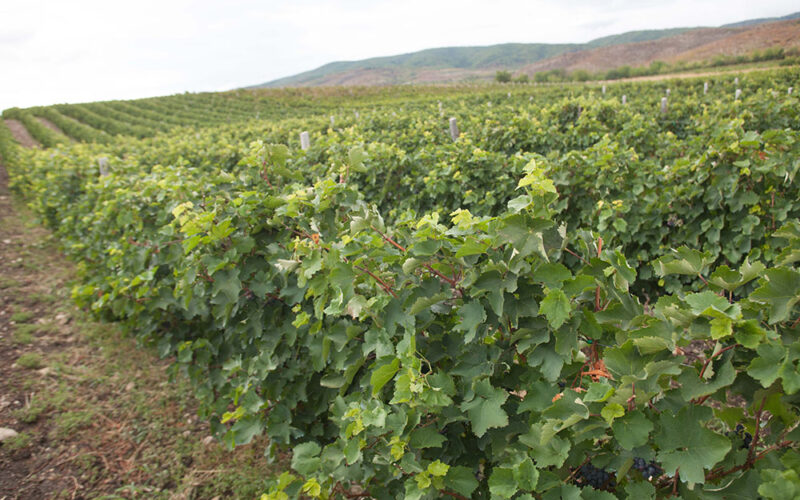
I have visited Samtskhe-Javakheti many times, and with each trip, I become more convinced of the region’s mystical nature. Meskheti is a historic region in southern Georgia, which includes modern-day Samtskhe-Javakheti and part of Ajara. This area is known for its rich cultural heritage, unique architecture, ancient wine-making traditions, terraced vineyards, and diverse gastronomy.
Meskheti, with its ethnography and history, has not yet been fully studied from a scientific perspective. The village of Saro, with its ancient, hall-type houses, Khizabavra and Ude, influenced by Catholic architecture and culture, and Chobareti, with its ancient houses and fascinating hearths, all hold unique significance.
During your travels here, you will discover numerous unique dishes and products. Meskheti borders Turkey and Armenia, and the influence of these neighboring cultures is evident throughout the region, making it particularly fascinating and captivating.
Nowhere else in Georgia will you find a purne—a traditional stone oven used for baking bread—built inside an oda (a wooden house typical of western Georgia). The word purne itself is of Greek origin, and the local bread is also similar to Greek bread. While in Greece, when I came across somini bread, its name—somi—even reminded me of tsomi, the Georgian word for dough.


Meskheti was the granary of Georgia. Endemic wheat varieties, including Dika, Doli, and Makha, were grown here. Only a few of these have survived to this day, and the new generation of farmers are working to preserve and propagate them.
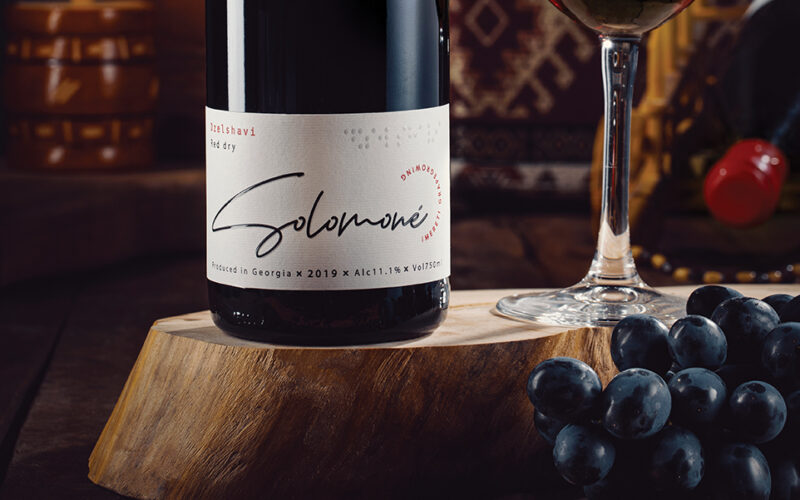
We planned our journey to the village of Atskuri, to visit the family of Davit Mumladze. Davit has established a small winery in his ancestral home and plans to actively pursue tourism in the future. While the Mumladze family no longer has an old oda, they strive to preserve the region’s traditions, as evidenced by the Meskhetian purne built in their yard.
Upon arriving at the family home, we were treated to mulberry brandy and red potatoes grown in Aspindza, which had been roasted on the ketsi (traditional Georgian clay frying pan) in the purne.
In the same purne, they baked hot somini and titiani (a type of Meskhetian bread) using Dika wheat flour from the local wheat variety. The bread was served with fresh tenili cheese (traditional Meskhetian cheese), a special treat for honoured guests. Tenili cheese, which has been granted the status of an intangible cultural heritage, is unique due to its appearance and production process. This cheese is made in fine thread-like strands and is prepared from cow’s or sheep’s milk. According to the locals, tenili cheese is at its best when made from Meskhetian milk.

Initially, the milk is coagulated, resulting in cheese curds, known as delamo. The delamo is then aged, and to soften it, it is melted in boiling water, after which it is stretched by hand with rapid motions. After several stretches, the cheese begins to form into “strings.” By alternating quickly between cold and warm water, the cheese is transformed into thin threads, which are then hung on a wooden stick to dry. The dry, slightly firm cheese is then soaked in cream and packed into a clay pot. The well-pressed cheese is placed face down onto ashes, which helps it dry out and remove excess moisture. Due to the cold winters in Meskheti, tenili cheese can be stored throughout the winter months.
In Meskheti, tenili cheese was considered a prized delicacy, reserved for special guests or festive occasions. For everyday meals, they had chechili cheese (string cheese), made from skimmed milk. This cheese is braided and then stored, while butter and sour cream are made from the cream of the separated milk.
After mentioning Meskhetian bread and cheese, the local khachapuri (traditional cheese bread), which differs significantly from the traditional variety, is also noteworthy. Here, the dough for khachapuri, much like the famous Meskhetian kada (cake) dough, is spread across the entire table using a special long, thin stick called ukhlavi for working the dough. The special round table used for this process is called pekhshumi, though it is no longer common in many homes. Today, regular tables are used for this purpose instead.

The main ingredients in the dough are flour, water, and sourdough, which Meskhetian women prepare themselves. After allowing the dough to rise properly, they toss it like a bedsheet to stretch it into a thin layer, then coat it with ghee or pork fat. It is then rolled in a circle, with crumbled cheese placed in the center, and shaped into a square. A similar method is used for Meskhetian kada, which is filled with flour roasted in ghee, either salted or sweet. The dough in both the khachapuri and kada is flaky, forming delicate layers.
Davit’s mother, Elene Maisuradze, a beautiful woman with fair skin, black hair and eyebrows, and a delicate straight nose—typical of Meskhetian appearance—treated us to snails. A few years ago, when I first heard about Meskhetian snails, the story seemed unbelievable until my first expedition to the area, where I personally took part in collecting the snails.

Meskhetian snails are a Caucasian endemic, found at the roots of the endemic shrub, Astragalus. They are collected with special sticks and gathered in baskets. The collected snails are thoroughly washed and then placed in boiling water for 15 minutes to make it easier to separate the shells and clean them. Once cleaned, the snails are cooked in salted water.
We made khinkali (Georgian dumpling) with some of the boiled snails, while another portion was placed back into the shells with butter and garlic and baked in the French style. Traditionally, Meskhetians eat snails simply boiled in salted water or roasted in a wood-fired oven. According to legend, in the 17th century, Capuchins traveled through this region. Since snails were considered a French delicacy, the Capuchins took note of them and taught the Meskhetians how to prepare and enjoy them.
Apokhti
Goose or beef meat that has been cured is called apokhti. It is prepared as follows: the meat is salted and then hung in the cold air to cure. Meskheti has very cold and long winters, with temperatures sometimes reaching as low as -30°C. In Javakheti, even Lake Paravani freezes, so during the cold winter, preserved food is essential, and cured meat keeps well.
During our visit to Meskheti, we prepared two dishes using goose apokhti. The first is apokhti khinkali, which is completely different from regular khinkali. The firm, yeast-free dough is rolled out on the table, cut into squares, and each square is filled with cubes of apokhti mixed with onions and herbs. The squares are then folded into small bow-like dumplings. The apokhti khinkali are boiled in salted water, served with yogurt sauce, and topped with fried onions in butter.
The second dish is goose apokhti pilaf. While the modern gastronomic world is increasingly embracing the Zero Waste principle, our ancestors were already practicing this method centuries ago, passing it down to us. A perfect example of this is goose pilaf. The bones of the goose apokhti are boiled to create a rich broth, in which swollen wheat is cooked. The finished pilaf is then topped with shredded apokhti meat, fried in ghee. The dish turns out rich, flavourful, and absolutely delicious.


Finally, I must tell you about ghimi pickle, a plant that few people know about. Our hostess found ghimi specifically for our visit. “Atoli and Ghimi – the fruits of Javakheti,” the Meskhetians even composed a verse about this herb, which is abundant in the meadows of Javakheti. Due to its sweet stem, it was eaten raw in ancient times and pickled for the winter. Today, it’s rare to find families who still preserve ghimi in this way.
მისტიკური მესხეთი
ქეთი კვიჭიძე
სამცხე-ჯავახეთში ბევრჯერ ვარ ნამყოფი და ყოველი მოგზაურობისას სულ უფრო მეტად ვრწმუნდები ამ მხარის მისტიკურობაში.
მესხეთი ისტორიული მხარეა სამხრეთ საქართველოში, რომელიც მოიცავს თანამედროვე სამცხე-ჯავახეთისა და ნაწილობრივ აჭარის ტერიტორიას. ეს მხარე ცნობილია მდიდარი კულტურული მემკვიდრეობით, უნიკალური არქიტექტურით, ღვინის წარმოების უძველესი ტრადიციებით, ტერასულად გაშენებული ვენახებითა და მრავალფეროვანი გასტრონომიით.
მესხეთი, თავისი ეთნოგრაფიითა და ისტორიიით, მეცნიერულად ჯერ კიდევ არ არის სრულად შესწავლილი. სოფელი სარო – ძველი, დარბაზული ტიპის ოდებით, ხიზაბავრა და უდე – კათოლიკური გავლენებით არქიტექტურასა თუ კულტურაში, ჭობარეთი – უძველესი სახლებით, საინტერესო კერიებით.
აქ მოგზაურობისას, უამრავ უცხო კერძსა და პროდუქტს აღმოაჩენთ. მესხეთს თურქეთი და სომხეთი ესაზღვრება. მეზობელ კულტურათა გავლენა აშკარაა ამ რეგიონში, რაც მას განსაკუთრებით საინტერესოსა და მომხიბლავს ხდის.
საქართველოში სხვაგან ვერსად შეხვდებით ოდაში ჩაშენებულ ფურნეს – ქვის ღუმელს. თავად სიტყვა ფურნე ბერძნული წარმოშობისაა, აქაური პურიც – ბერძნულის მსგავსი. საბერძნეთში ყოფნისას, სომინი პურს რომ წავაწყდი, მისი სახელწოდება – სომი – თითქოს ჩვენ ცომსაც კი მივამსგავსე.
მესხეთი საქართველოს ბეღელი იყო. აქ მოჰყავდათ ხორბლის ენდემური სახეობები, მათ შორის, დიკა, დოლი და მახა. მათგან ჩვენამდე მხოლოდ რამდენიმემ მოაღწია, რომელთა შენარჩუნებასა და გავრცელებაზე ახალი თაობის ფერმერები ზრუნავენ.
ჩვენი მოგზაურობა სოფელ აწყურში, დავით მუმლაძის ოჯახში დავგეგმეთ. დავითს პატარა მარანი მოუწყვია მამა-პაპისეულ სახლში და სამომავლოდ, ტურიზმში აქტიურად ჩართვასაც გეგმავს. მუმლაძეებს ძველი ოდა-სახლი არ შემორჩენიათ, თუმცა ცდილობენ, ამ კუთხის ტრადიციები არ დაკარგონ, რისი მაგალითიც ეზოში აგებული მესხური ფურნეა.
ოჯახში მისულებს თუთის არყითა და ასპინძაში მოყვანილი წითელი კარტოფილით გაგვიმასპინძლდნენ, რომელიც კეცებზე დაბრაწეს ფურნეში. ფურნეშივე დააცხვეს ადგილობრივი ხორბლის სახეობის დიკას ცეხვილი ფქვილისგან ცხელ-ცხელი სომინები და თითიანები (მესხური პურის სახეობები). ცხელ პურზე ტენილი ყველი მოგვართვეს, როგორც საპატიო სტუმრებს.
ტენილი ყველი, რომელსაც არამატერიალური კულტურის ძეგლის სტატუსი აქვს მინიჭებული, უნიკალურია თავისი ვიზუალისა და დამზადების პროცესის წყალობით. ეს ყველი წვრილი ძაფისებრი ფორმისაა და მზადდება ძროხის ან ცხვრის რძისგან. ტენილი ყველი საუკეთესო მხოლოდ მესხური რძით გამოდისო – ამბობენ ადგილობრივები. თავდაპირველად, რძეს ჩაკვეთავენ, რის შედეგადაც მიიღება კვეთში გამოყვანილი ყველი, ანუ დელამო. დელამოს დაამწიფებენ, შემდეგ, დასარბილებლად ადუღებულ წყალში გაადნობენ და ხელის სწრაფი მოძრაობით დაიწყებენ გაწელვას. რამდენიმე გაწელვის შემდეგ ყველის “თოკები” გამრავლებას იწყებს. ცივი და თბილი წყლის ტემპერატურული რეჟიმის სწრაფი ცვლის მეშვეობით წვრილ ძაფებად გადაქცეულ ყველს ხის ჯოხზე გადაკიდებენ გასაშრობად. მშრალ და ოდნავ შემხმარ ყველს ამოავლებენ ნაღებში და თიხის ქოთანში ჩატენიან. კარგად დატკეპნილ ყველს ნაცარზე დაამხობენ, რომელიც თავს მოუშრობს და ზედმეტ სისველეს გამოიტანს. ვინაიდან მესხეთში ცივი ზამთარი იცის, ტენილი ყველი მთელი ზამთრის განმავლობაში კარგად ინახება.
მესხეთში, ტენილი ძვირფას ყველად ითვლებოდა. მხოლოდ განსაკუთრებულ სტუმრებს უმასპინძლდებოდნენ, ანდა დღესასწაულებზე მიირთმევდნენ. ყოველდღიურ მენიუში კი ჩეჩილი ყველი ჰქონდათ, რომელიც მოხდილი რძისგან მზადდება – ამ ყველს წნავენ და ისე ინახავენ, მოხდილი რძის ნაღებისგან კი კარაქს და არაჟანს ამზადებენ.
მესხური პურისა და ყველის მერე, აქაურ ხაჭაპურზეც უნდა მოგიყვეთ, რომელიც ტრადიციული ხაჭაპურისგან სრულიად განსხვავებულია. აქ, ხაჭაპურის, ისევე, როგორც ცნობილი მესხური ქადის ცომი მაგიდაზე უხლავის (გრძელი, წვრილი, სპეციალური ჯოხი ცომის დასამუშავებლად) საშუალებით მთელს მაგიდაზე გაჰყავთ (აბრტყელებენ). სპეციალურ მრგვალ მაგიდას ფეხშუმი ეწოდება, თუმცა დღეს, ის ბევრ ოჯახში აღარ არის შემორჩენილი, ამიტომ ცომის გასაყვანად ჩვეულებრივ მაგიდას იყენებენ.
ცომში მთავარი ინგრედიენტები ფქვილი, წყალი და დედა საფუარია, რომელსაც მესხი ქალები თავად ამზადებენ. ცომს კარგად რომ ამოიყვანენ და ზეწარივით ააფრიალებენ, შემდეგ ზედ გამდნარ ერბოს, ან ღორის ქონს გადაუსვამენ, წრიულად მოახვევენ, გულში დაფხვნილ ყველს ჩაუდებენ და ოთხკუთხედ ფორმას მისცემენ. ასეთივე პრინციპით მზადდება მესხური ქადა, რომლის შიგთავსიც ერბოში მოხალული მარილიანი, ან ტკბილი ფქვილია. მესხური ცომი ფენოვანი გამოდის და ფურცლებივით ეფინება ხაჭაპურს და ქადას.
დავითის დედა, ელენე მაისურაძე – ლამაზი ქალი, თეთრი კანის ფერით, შავი თმით, თვალ-წარბით და ნატიფი სწორი ცხვირით, ანუ ტიპური მესხური გარეგნობით – ლოკოკინებით გაგვიმასპინძლდა. რამდენიმე წლის წინ, როდესაც მესხური ლოკოკინების შესახებ შევიტყვე, ეს ამბავი დაუჯერებლად მეჩვენა, ვიდრე პირველი ექსპედიციით არ ვესტუმრე აქაურობას და ჩემით არ მივიღე მონაწილეობა ლოკოკინების კრეფაში.
მესხური ლოკოკინები კავკასიური ენდემია და ენდემური ბუჩქის – გლერძის ძირებში მოიპოვება. მათ სპეციალური ჯოხებით კრეფენ და კალათში აგროვებენ. შეგროვებული ლოკოკინები კარგად ირეცხება, შემდეგ 15 წუთით ადუღებულ წყალში იყრება, რათა ადვილად მოხდეს ნიჟარისგან განცალკევება და გასუფთავება. გასუფთავებული ლოკოკინები მარილიან წყალში იხარშება.
სწორედ ასე დამუშავებულ-მოხარშული ლოკოკინების ნაწილით ხინკალი მოვახვიეთ, ნაწილი კი კარაქთან და ნიორთან ერთად კვლავ ნიჟარაში ჩავსვით და ისე გამოვაცხეთ ფრანგული წესით.
ტრადიციულად, ლოკოკინებს მესხები უბრალოდ, მარილ-წყალში მოხარშულს, ან შეშის ღუმელზე გამომცხვარს მიირთმევენ. ლეგენდის თანახმად, მე-17 საუკუნეში, ამ მხარეში კაპუცინებს უმოგზაურიათ. ვინაიდან ლოკოკინა ფრანგული დელიკატესია, შეუნიშნავთ ეს შესანიშნავი პროდუქტი და მესხებისთვის მისი მირთმევაც უსწავლებიათ.
აპოხტი
ბატის ან საქონლის გამომშრალი ხორცს აპოხტი ეწოდება. მას შემდეგნაირად ამზადებენ: ხორცს დაამარილებენ და სიცივეში, ჰაერზე გაკიდებენ გასაშრობად. მესხეთში ძალიან ცივი და ხანგრძლივი ზამთარი იცის. ზოგგან ყინვა -30 გრადუსსაც კი აღწევს. ჯავახეთში, ფარავნის ტბა იყინება კიდეც, ამიტომ ცივ ზამთარში საკვებიც საჭიროა და გამომშრალი ხორციც კარგად ინახება.
მესხეთში სტუმრობისას, ბატის აპოხტისგან ორი კერძი მოვამზადეთ. პირველი აპოხტის ხინკალია, რომელიც ჩვეულებრივი ხინკლისგან სრულიად განსხვავებულია. უსაუფუვრო, მაგარი ცომი მაგიდაზე იშლება, იჭრება ოთხკუთხედ ფორმებად, თითოეულში ხახვითა და მწვანილით შეზავებული აპოხტის კუბები იდება და პატარა ბაბთის ფორმებად იხვევა. მარილიან წყალში მოხარშული აპოხტის ხინკალი მაწვნის სოუსში ლაგდება და ზემოდან კარაქში მოდაღული ხახვი ესხმება.
მეორე კერძი ბატის აპოხტის ფლავია. დღეს, როცა თანამედროვე გასტრონომიული სამყარო აქტიურად მისდევს Zero Waste-ს პრინციპს, ჩვენი წინაპრები ამ მეთოდს ჯერ კიდევ საუკუნეების წინ იყენებდნენ და ჩვენც შემოგვინახეს. ამის თვალსაჩინო მაგალითი ბატის ფლავია. როდესაც ბატის აპოხტს ხორცს აათლიან, მისი ძვლებისგან ბულიონს ამზადებენ. ბულიონში გაფუებულ ხორბალს ხარშავენ და მზა ფლავს ზემოდან ერბოში მობრაწულ აპოხტის ანათალ ხორცს აყრიან. კერძი მსუყე და ძალიან გემრიელი გამოდის.
დაბოლოს, აუცილებლად უნდა მოგიყვეთ ღიმის მჟავეზეც, რომლის შესახებაც ცოტამ თუ იცის. ღიმი ჩვენმა დიასახლისმა სპეციალურად ჩვენი სტუმრობისთვის მოიძია. “ატოლი და ღიმიო – ჯავახეთის ხილიო” – მესხებს ასეთი ლექსიც კი მიუძღვენიათ ამ ბალახისთვის, რომელიც ჯავახეთის მინდვრებში ბლომად გვხვდება. ტკბილი ღეროს გამო მას უმადაც მიირთმევდნენ ძველ დროში, ზამთრისთვის კი მწნილად ინახავდნენ. დღეს, იშვიათად თუ შეხვდებით ოჯახებს, რომლებიც ღიმს ისევ ინახავენ მწნილად.