


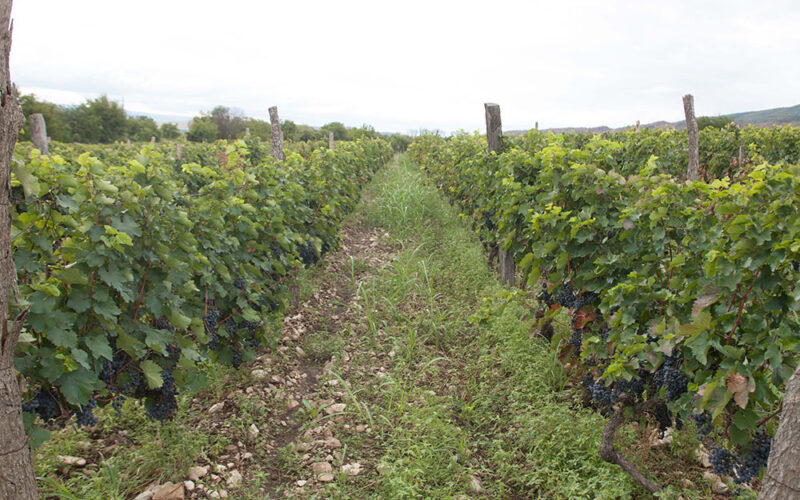
ორგანული მეურნეობა, როგორც საქართველოს მრავალსაუკუნოვანი ტრადიცია
| Main Feature: Georgian Organic, Biodynamic, and Natural Wines |
ლევან უჯმაჯურიძე: წლების წინ, როგორ იწყებდა ორგანული მეურნეობა საქართველოში ფეხის ადგმას. დღეს, სულ სხვა რეალობა გვაქვს: აშკარაა წინსვლა, ბევრი მევენახე მისდევს ამ მიმართულებას და მათი ღვინო არსებულ სტანდარტებსაც პასუხობს. ერთია, როდესაც ვიღებთ ჯანმრთელობისთვის უვნებელ პროდუქტს და მეორე – არის თუ არა შენარჩუნებული ღვინოში ვაზის ჯიშურობა და გემური მახასიათებლები. როდესაც ეს ყველაფერი თანხვედრაშია, სწორედ მაშინ გვაქვს შედეგი. თუ ღვინოში ჯიშურობა, არომატი, ორგანოლეპტიკა, სენსორული მახასიათებლები არ იკითხება, ესე იგი, საბოლოოო შედეგი მიღებული არ არის.
დავით მაღრაძე: დღეს, არაერთ დიდ და საშუალო მწარმოებელს ცალკე აქვს ბიოლოგიური ღვინის ხაზი. ასეთი მიდგომა წლების წინ არ იყო. ეს უდავოდ დადებითი ტენდენციაა.
დავით ჩიჩუა: რასაც დღეს ბიოორგანულ მევენახეობას ვუწოდებთ, საქართველოში, ათასწლეულების განმავლობაში დამკვიდრებული პრაქტიკა გახლდათ. კონვენციური მიმართულება კი არის ამ ტექნოლოგიის გარდაქმნა, რაც ბოლო ასწლეულში მოხდა. როდესაც ვამბობთ, სოფლის მეურნეობისთვის ბიომიმართულება არის ხვალინდელი დღე, რეალურად, ეს ჩვენი ისტორიის გუშინდელი დღეა. ისიც ფაქტია, რომ წარმოებით მოყვანილი კვების პროდუქტი კორელაციაში უნდა იყოს პლანეტის მზარდ პოპულაციასთან, რაც დამეთანხმებით, ძირითად საკვებ პროდუქტებთან მიმართებაში ნამდვილად არ არის ადვილი. ამ მხრივ, ღვინო ერთადერთი გამონაკლისია. ბოლო სტატისტიკით თუ ვიმსჯელებთ, მსოფლიოში წარმოებული ღვინის 20% გაუყიდავი რჩება, ანუ წარმოება მოთხოვნაზე ჭარბია. ყოველწლიურად, 250 მილიონი ჰექტოლიტრი ღვინო იწარმოება და ფაქტია, რომ დედამიწის მოსახლეობას ამდენი ღვინო არ სჭირდება. იყოს 30-40%-ით ნაკლები, მაგრამ ბევრად საინტერესო და ხარისხიანი – საკითხის ასე დაყენება უფრო რელევანტურია მეღვინეობისათვის. ამ მხრივ, მევენახეობა-მეღვინეობა ორგანული სოფლის მეურნეობის ერთ-ერთი ყველაზე პერსპექტიული მიმართულებაა.
გამძლე ჯიშები
დავით მაღრაძე: რა არის ბიო მევენახეობა-მეღვინეობის ყველაზე დიდი პრობლემა? ევროპული ვაზის (ე.წ. ვიტის ვინიფერა) ყურძენი, რომელსაც მთავარი სოკოვანი დაავადებების მიმართ გამძლეობა არ აქვს და დიდი ოდენობით ქიმიურ დახმარებას საჭიროებს. ამის ერთ-ერთ ალტერნატივად ისახება და ბოლო წლებში აღმავლობით ვითარდება დაავადებათა მიმართ გამძლე ჯიშების (ე.წ. PIWI ჯიშები) სელექცია, რომელთა პროდუქციის ხარისხი სულ უფრო მეტად უმჯობესდება და უახლოვდება ევროპული ვაზის პროდუქციის ხარისხს.
გიორგი სამანიშვილი: ისიც უნდა აღვნიშნოთ, რომ სპილენძი და გოგირდი მევენახისთვის იძულებითი აუცილებლობაა, რადგან ვენახის დაცვისთვის სხვა უკეთესი მეთოდი არ არსებობს. ამიტომაც დაიწყო მსოფლიომ მუშაობა უფრო გამძლე ჯიშების გამოყვანაზე.
ლევან უჯმაჯურიძე: საბედნიეროდ, ქართული კულტურული ვაზის (ვიტის ვინიფერა) ადგილობრივ გენოფონში გამოიკვეთა იმერული ჯიში – მგალობლიშვილი, რომელიც ბევრად გამძლეა დაავადებების, განსაკუთრებით კი ჭრაქის მიმართ. ეს ჯიში საუკეთესო სასელექციო მასალაა. ჩვენ უდიდესი გენოფონდი გაქვს – 525 ჯიში, რომელთაგან 450-ზე მეტი აღდგენილია. ამ მიმართულებით კვლევები გასაძლიერებელია, რადგან შესაძლოა, ქართული ჯიშების ნაწილი იყოს რეზისტენტული ჭრაქის და ნაცრის მიმართ.
დავით მაღრაძე: მგალობლიშვილი მხოლოდ ქართული კი არა, ევროპული სელექციისთვისაც დიდი მიღწევაა. ეს იმერული ჯიში ჯერ კიდევ იშვიათი ჯიშების კატეგორიას მიეკუთვნება და მისი პოტენციალის წინ წამოწევა ძალიან მნიშვნელოვანია.
იაგო ბიტარიშვილი: რადგან კონვენციურისგან განსხვავებით, ორგანულ მეურნეობაში ბევრი აკრძალვაა, ამ დროს ყველაზე საჭირო სწრედ სათანადო ცოდნაა. ცოდნა კი უმეტესად, საკუთარი გამოცდილებიდან და დაშვებული შეცდომებიდან მოდის, ასევე, ჩვენს უცხოელ მეგობრებთან და კოლეგებთან ურთიერთობითა და მათი გამოცდილების გაზიარებით. პირველად, საფრანგეთში ვნახე ვენახში ბალახს რომ აწვენდენ. ეს დაწვენილი ბალახი რომ გადავწიე, ცოცხალი ორგანიზმების მთელი ჯარი დამხვდა. როგორ შეიძლებოდა, ეს მეთოდი არ მომწონებოდა?!
ორგანული სოფლის მეურნეობა განსაკუთრებით გრძელვადიანი პერსპექტივაა. თუ ეს საქმე არ გიყვარს, ვერ გაუძლებ, ვერ მიჰყვები, რადგან ძალიან ბევრი რამის გათვალისწინება გიწევს. მაგალითად, ბატონმა ლევანმა აღნიშნა პარკოსანი კულტურების შეთესვის საკითხი. მე ამას ვერიდები და გეტყვით რატომ: ჩვენს მხარეში (მცხეთის რაიონი, სოფელი ჩარდახი) იმდენად დაბალია ტენიანობა და ნალექი, მირჩევნია, ბუნებრივი გაკორდებით გავუშვა ისეთი ბალახი, რომელიც დაბალ ტენიანობას ეგუება და ვენახს ნაკლებ წყალს ართმევს. ამ ყველაფერს პრაქტიკა გვიჩვენებს, რომელიც მოკლევადიანი ნამდვილად არ არის. მნიშვნელოვანია, ახალ თაობას ავუხსნათ, რომ ამ საქმეს დიდი ნებისყოფა და ცოდნა სჭირდება.
ნატურალური მეღვინეობა
გიორგი სამანიშვილი: კატეგორია ნატურალური ღვინო ოფიციალურად არ არსებობს. ვერც ჩვენს კანონში შეხვდებით ჩანაწერს მის შესახებ და ვერც ევროკავშირში შეხვდებით ღვინოებს მსგავსი დასახელებით. ამის მიუხედავად, ეს ტერმინი არსებობს. ყველა მეტნაკლებად დიდ ქალაქში შეხვდებით ნატურალური ღვინის ბარებს, სადაც იმ მეღვინეობების ღვინოები იყიდება, რომლებიც ამ ე.წ. კატეგორიაში მოიაზრებენ თავს. ამას, რა თქმა უნდა, კანონი არ კრძალავს.
ნატურალურ ღვინოზე მოთხოვნა მზარდია. მისი მომხმარებელი შედარებით მაღალშემოსავლიანი სეგმენტია. ამ კატეგორიის ღვინო არ გახლავთ პირველადი მოხმარების პროდუქტი, რომელიც აუცილებელია, ყველას ჰქონდეს. მსხვილი მწარმოებლები ამ მიმართულებაში ჩართვაზე უარს მაღალი რისკების გამო ამბობენ, შესაბამისად, ნატურალური მეღვინეობის მიმდევრები ის მეღვინეები არიან, რომლებსაც აქვთ ფუფუნება, გააკეთონ ცოტა ღვინო და გაყიდონ ძვირად. ასეთ ღვინოში ემოციაც მეტი უნდა იყოს ჩადებული, ისტორიაც საინტერესო უნდა ჰქონდეს.
ეს მიმდინარეობა საქართველოში მზარდია. საზღვარგარეთ გამართულ გამოფენებსა თუ დეგუსტაციებზე, ქართული ნატურალური ღვინის მწარმოებლების ცნობადობა მსოფლიოში ქართული ღვინის ცნობადობას ბევრად აღემატება. რა თქმა უნდა, ეს წარმატება ძალიან უწყობს ხელს დანარჩენი „ჩვეულებრივი“ ღვინოების გაყიდვას და ქვეყნის იმიჯის წინ წაწევას. ამიტომ ეს სეგმენტი ნამდვილად მისახედია.
Organic farming as a centuries-old tradition in Georgia
Levan Ujmajuridze: I remember how, years ago, organic farming was only just beginning to find its footing in Georgia. Today, the picture is very different. Progress is evident, with many growers now following this path, and their wines meeting recognised standards. One thing is producing a wine that is safe for human health; another is whether the varietal identity and flavour profile have been preserved. When all these elements come together, that is when we see results. But if the wine lacks varietal identity, aroma, organoleptic qualities, or sensory appeal, then we haven’t truly achieved what we set out to do.
David Maghradze: Today, many large and medium-sized producers have a dedicated line of organic wine. This was not the case years ago. Without a doubt, it’s a positive trend.
David Chichua: What we call bio-organic viticulture today is actually a practice established over millennia, while conventional methods represent the transformation of this technology that has taken place over the last century. When we say that organic agriculture is the future of farming, in reality, it’s a return to the past. It’s also a fact that food production needs to align with the growing global population, which, as you’ll agree, is no easy task for staple foods. In this respect, wine is an exception. According to recent statistics, about 20% of the world’s wine production remains unsold, meaning supply exceeds demand. Every year, 250 million hectolitres of wine are produced, and clearly, the world’s population doesn’t need that much wine. Producing 30 to 40% less but focusing on more interesting and higher quality wine is a more relevant approach for winemaking. In this regard, viticulture and winemaking represent one of the most promising branches of organic agriculture.
Resilient Varieties
David Maghradze: What is the biggest challenge in organic viticulture and winemaking? It is the European grapevine, Vitis Vinifera, which lacks strong resistance to major fungal diseases and therefore requires heavy chemical intervention. One promising alternative is the breeding of disease-resistant varieties, known as PIWI grapes, which has been gaining momentum in recent years. The quality of their produce is steadily improving and increasingly approaching that of traditional European grape varieties.
Giorgi Samanishvili: It’s important to note that copper and sulfur remain compulsory necessities for growers, as there are currently no better alternatives for vineyard protection. This is precisely why global efforts to develop more resistant grape varieties have begun.
Levan Ujmajuridze: Fortunately, within the local gene pool of Georgian cultivated grapevine (Vitis vinifera), the Imeretian variety Mgaloblishvili has emerged as notably more resistant to diseases, particularly downy mildew. This variety represents excellent breeding material. We have a vast gene pool, 525 varieties in total, over 450 of which have been restored. Research in this area needs to be strengthened, as some Georgian varieties may prove resistant to downy and powdery mildew.
David Maghradze: Mgaloblishvili is a significant achievement for both Georgian and European grape breeding. This Imeretian variety still belongs to the category of rare varieties, and advancing its potential is very important.
Iago Bitarishvili: Unlike conventional farming, organic agriculture involves many restrictions, which makes proper knowledge all the more essential. That knowledge often comes through personal experience and the lessons learned from mistakes, as well as from exchanges with foreign friends and colleagues. I first came across the idea of cover cropping in France – the practice of laying down grass between the vine rows rather than clearing it. When I pulled aside the flattened grass, I found a whole army of living organisms underneath. How could I not be drawn to such a method?
Organic agriculture is especially a long-term pursuit. If you don’t love this work, you won’t endure it or be able to follow through, because there are so many factors you need to consider. For instance, Levan mentioned the use of legumes for cover cropping. Personally, I’m cautious about this, and here’s why: in our region (Mtskheta district, village of Chardakhi), humidity and rainfall are so low that I prefer to allow natural grassing to take place, encouraging grass species that are better suited to dry conditions and won’t draw too much moisture away from the vineyard. These are all things that practice reveals over time, and this practice is anything but short-term. It’s important that we explain to the next generation that this work requires deep knowledge and a great deal of perseverance.
So-called Natural Winemaking
Giorgi Samanishvili: The category of natural wine does not formally exist. You won’t find any reference to it in our legislation, nor in that of the European Union. And yet, the term is widely used. In nearly every major city, you’ll find natural wine bars selling wines made by producers who identify themselves with this so-called category. Of course, there is no law prohibiting this.
Demand for natural wine is on the rise. Its consumers tend to belong to a relatively high-income segment. This category of wine is not a basic necessity — it’s not a product everyone needs to have. Large-scale producers tend to avoid entering this field due to the high risks involved. As a result, natural winemaking is mostly pursued by small-scale producers who have the luxury of making limited quantities and selling at higher prices. Wines like these are expected to carry more emotion and tell a compelling story.
This trend is on the rise in Georgia. At international exhibitions and tastings, Georgian natural wine producers enjoy a level of recognition that far surpasses the global awareness of Georgian wine in general. Naturally, this success greatly supports the sales of more conventional wines and helps to advance the country’s overall image. For these reasons, this segment certainly deserves close attention.