




| By TAZO TAMAZASHVILI, Best Sommelier of Georgia |
კერძებისა და ღვინის სეზონური სიმფონიები
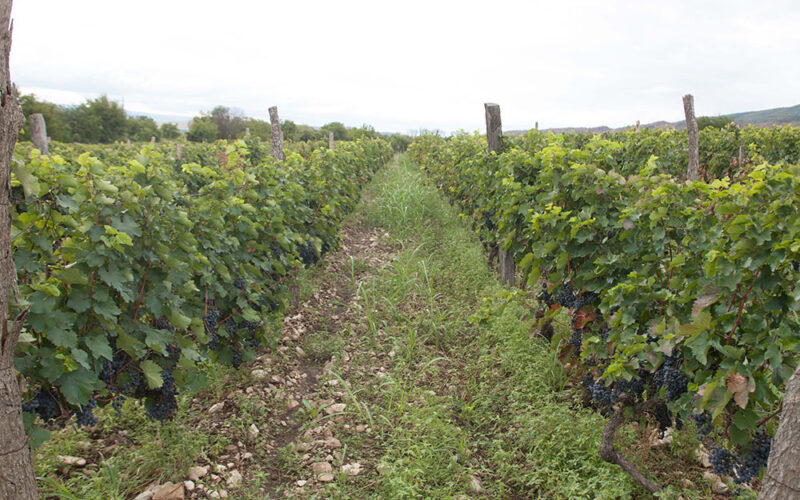
იშვიათ და გადაშენებულ ქართულ ენდემურ ჯიშებზე საუბარი შეგვიძლია, კარგი მაგალითით დავიწყოთ: 10 წლის წინ, ქისიც ასეთ ჯიშად ითვლებოდა და მასზე ისე ვსაუბრობდით, როგორც დღეს ვისაუბრებთ ასურეთულ შალაზე, დანახარულზე, კუნძაზე და რაჭულ თეთრაზე. დღეს, ქისი ძალიან პოპულარულია და მისგან როგორც ქართული ტრადიციული, ისე კლასიკური ტექნოლოგიით ღვინოს ბევრი ადგილობრივი მარანი აწარმოებს. ის იშვიათი ჯიშებიც, რომლებზეც ვისაუბრებთ, ქისის მსგავსად ექვემდებარება აღდგენას, სწორად შერჩეულ ტერუარზე გაშენებას და ვფიქრობ, იმის მოლოდინიც უნდა გვქონდეს, რომ მათგან დიდი ქართული ღვინოები დადგება. ეს მოკლევადიანი პროცესი არ არის. ბევრი წელი და ექსპერიმენტია საჭირო, რათა მეღვინემ გადაწყვიტოს, რომელი ჯიში რა სტილს მოირგებს, რომელში გამოავლენს საუკეთესოდ თავის ტერუარს.

ჩვენმა ქვეყანამ შეძლო შეენარჩუნებინა 525 ენდემური ჯიში, რომლებსაც საუკუნეების განმავლობაში, ქართველები ეკოლოგიურად სუფთა საშუალებებით უვლიდნენ. ისიც უნდა აღვნიშნოთ, რომ მათი უმეტესობა სწორედ კულტურული ვაზის ჯიშია.
იშვიათად ითვლება ვაზის ის ადგილობრივი ჯიშები, რომლებიც საუკუნეების განმავლობაში საქართველოს ამა თუ იმ რეგიონში იყო გაშენებული, მაგრამ საბჭოთა ინდუსტრიული სტანდარტიზაციის დროს ან მიივიწყეს, ან არ მიიღეს კომერციულ წარმოებაში და შესაბამისად, გადაშენების ზღვარზე აღმოჩნდნენ. ასეთი ჯიშები უმეტესად, ლოკალურად (მაგალითად, მხოლოდ ერთ სოფელში) იყო გავრცელებული და მათი მცირე მოსავლიანობა არ შეესაბამებოდა მასობრივი წარმოების სტანდარტებს. არადა, სწორედ ეს ჯიშები ფლობენ უნიკალურ არომატულ პროფილს, გამორჩეულ სტრუქტურას, გამოხატავენ რეგიონის იდენტობას და ბიომრავალფეროვნების თვალსაზრისით თითოეულს უდიდესი მნიშვნელობა აქვს.
რატომ აქვს იშვიათ ჯიშებს მომავალი?
გენეტიკური მდგრადობა: უმეტესად გამძლეები არიან კლიმატური ცვლილებებისა და დაავადებების მიმართ.
ტერუარის სარკე: ღვინოში მკვეთრად გამოხატავენ ლოკალურ კლიმატსა და ნიადაგს.
ინდივიდუალიზმი: მათგან იქმნება განსხვავებული ღვინოები, რომლებიც გამოირჩევა საერთაშორისო ბაზარზე.
ბუნებრივი ღვინოების ტალღა: სწორედ ასეთი ჯიშებისგან მიღებული ღვინოები წარმოადგენს მეღვინეობის ხელოვნების, ისტორიისა და ბუნების ერთობლიობას.
ეკო-ტურიზმი და განათლება: ღვინო, რომელიც მხოლოდ გემო არ არის, ის ისტორიასაც ჰყვება.
525 ისტორია და ამბავი
რა სახელწოდებებიც აქვს 525 ქართულ ენდემურ ჯიშს, არსებობს იმდენივე ისტორია, როგორ და რატომ დაერქვა თითოეულ მათგანს თავისი სახელი. მაგალითად, ხიხვის (ძველ წყაროებში მოხსენიებულია როგორც ჯანანურა) სახელწოდება უძველესი ქართული სიტყვიდან მოდის და სავარაუდოდ, დაკავშირებულია: ერთის მხრივ, ხევი/ხევხივისთან, რაც ძველ ქართულში მჭიდროდ დაფოთლილს ან დახუჭულს ნიშნავდა; მეორეს მხრივ, შესაძლოა, ხიხვი (ან ხიხი) ველური მცენარის, ან ველური ვაზის სახელს წარმოადგენდა ძველ კახურ დიალექტზე. დღეს, ხიხვი ბუნებრივი და ქვევრში დაყენებული ღვინის სცენაზე ერთ-ერთი ყველაზე პერსპექტიული ჯიშია – ჩუმი არისტოკრატი, რომელიც ქართულ ღვინოს ახალ ელფერს სძენს.
რამდენადაც ბევრია ქართულ სამზარეულოში იშვიათი და მივიწყებული კერძები, იმდენად საინტერესოა მათი გაცოცხლება და იშვიათი ჯიშის ღვინოებთან შეხამება. მაგალითად, აჭარული იახნი – აჭარულ, ხანგრძლივი მაცერაციით დაღვინებულ სხეულიან ჩხავერთან. ბოლო წლებია, საქართველოს ზღვისპირეთის ეს გამორჩეული მხარე აქტიურად ზრდის ადგილობრივი სამზარეულოს და ღვინის ცნობადობას. გასტრონომიული კუთხით აჭარა ერთ-ერთი მრავალფეროვანი რეგიონია და მისი სამზარეულო მსოფლიოში კარგად ცნობილი გულსართიანით – აჭარული ხაჭაპურით – ნამდვილად არ შემოიფარგლება.
ასეთივე საინტერესოა კახური ბუერას და კახური ფხალეულის წყვილი. მცდარია მოსაზრება, თითქოს აღმოსავლეთ საქართველოს ამ კუთხის სამზარეულო მხოლოდ ხორცეულისგან მომზადებული კერძებისგან შედგება. კახეთში ყოველთვის ფართოდ იყო გავრცელებული მცენარეული კერძების კულტურა, მათ შორის, შეგვიძლია დავასახელოთ ჭინჭარი, თათრულა ფხალი (კახურ დიალექტზე “მხალი”), ნაცარქათამა, დანდური, ღანძილი და სხვა.
კერძებისა და ღვინის შეხამება
ასურეთული შალა და წიწილა ბროწეულის სოუსში

ასურეთული შალა უძველესი, იშვიათად შემონახული ქართული ვაზის ჯიშია, რომელიც ძირითადად, ქვემო ქართლში, კერძოდ კი სოფელ ასურეთის მიდამოებში ხარობდა. ასურეთში მარნები მე-19 საუკუნეში, გერმანელი კოლონისტების მიერ დაარსდა, თუმცა ვაზის კულტურა აქ ბევრად ძველია და ანტიკური ხანიდან მოდის.
ასურეთული შალა იძლევა მჭიდრო, მცირე ზომის მტევანს, მისგან წარმოებული ღვინო კი საშუალო ან მაღალმჟავიანია. ძველად, ასურეთული შალა ოჯახური ღვინის სახეობად ითვლებოდა. ამ ჯიშისგან ღვინოს ქვევრში ან მუხის ჩანებში აყენებდნენ (მუხის ჩანებში ღვინის დამზადება გერმანელი კოლონისტების მიერ შემოტანილი და დღემდე ასურეთსა და ბოლნისში დამკვიდრებული ერთ-ერთი მეთოდია). მას დუმილის ღვინოს უწოდებდნენ, რადგან ახალგაზრდა ასაკში მორცხვი იყო, დაძველების შემდეგ კი საოცარი სიმშვიდითა და შინაარსით ხასიათდებოდა. დღეს, ამ ჯიშს ხელახლა იკვლევენ და იყენებენ ენთუზიასტი მეღვინეები.
ასურეთული შალა, განსაკუთრებით თუ ის ბუნებრივად არის დაყენებული ქვევრში და მცირე ტანინი, მაღალი მჟავიანობა და წითელხილოვანი პროფილი ახასიათებს, შესანიშნავი წყვილია ისეთ ტრადიციულ ქართულ კერძთან, როგორიც შემწვარი წიწილაა ბროწეულის სოუსში. ბროწეულის ტკბილ-მჟავე სოუსი თავისი არომატული “ჟღერადობის” გამოსაკვეთად აუცილებლად ითხოვს დაბალანსებული მჟავიანობის ღვინოს. შალას მსუბუქი სტრუქტურა და კენკროვანი ტონები – ალუბალი, ბროწეული, წითელი ქლიავი – აბსოლუტურ ჰარმონიაში მოდის წიწილის რბილ ხორცთან.
აჭარული ცოლიკოური – ზღვის ნისლისა და მთის სიგრილის ღვინო, შავი ზღვის მიდიებთან

ცოლიკოური საქართველოში თითქმის ყველამ იცის, თუმცა აჭარული ცოლიკოური სრულიად სხვა ხასიათისაა. აჭარაში, უმეტესად მთების კალთებზეა გაშენებული, სადაც ზღვის ჰავა, ნესტი და მზის შეზღუდული სხივები უნიკალურ პირობებს ქმნის, ცოლიკოურის მტევანი წვრილი, ტკბილ-მჟავე მარცვლიანია, რაც დაბალი ალკოჰოლის, მაგრამ მაღალი მჟავიანობის ელეგანტურ ღვინოს იძლევა. აქაურ ცოლიკოურს ახასიათებს მცენარეული და ციტრუსოვანი არომატები, მსუბუქი ყვავილოვანი ფონით. ხშირად იგრძნობა მწვანე ვაშლის, ცაცხვის, მინდვრის ბალახებისა და ზღვის მარილიანი მინერალების ელემენტები, თითქოს შავი ზღვის მსუბუქი სუნთქვაა თითოეულ ყლუპში.
მიდიებს, განსაკუთრებით შავი ზღვის სანაპიროსთან შეგროვებულებს, მკვეთრი და ცოცხალი გემო აქვს. მათი მარილიანობა, სიფრიფანა სტრუქტურა და ზღვისეული ტონები სთხოვენ პარტნიორობას მაღალი მჟავიანობის, ცოცხალ, არომატულ, მაგრამ არა გადატვირთულ ღვინოს, რომელიც ზღვის გემოებს კი არ ჩაახშობს, არამედ გამოკვეთს. ასეთი ღვინოა აჭარული ცოლიკოური.
კუნძა ჭურის – ბალანსი იმერულ ღვინოსა და ბოსტნეულის კერძებს შორის

კუნძა (კუმსი ყურძენი, კუმსა) ქართული აბორიგენული თეთრყურძნიანი საღვინე ვაზის ჯიშია იმერეთიდან, რომელიც იშვიათად გვხვდება ცალკე ღვინის სახით. ბოლო წლებში, ენთუზიასტმა მევენახე-მეღვინეებმა ხელახლა აღმოაჩინეს ამ ჯიშის დიდი პოტენციალი, განსაკუთრებით ჭურში დაყენებისას.
ჭურში დაყენებული კუნძას ღვინო იძენს მუქ ჩალისფერ შეფერილობას, ხშირად მსუბუქტანინიან სტრუქტურას, მცენარეულ და მჭკნარ ყვავილოვან ტონებს – გვირილა, მშრალი ბალახი, ხილიდან კი – მწიფე ატამი და გარგარი. გამოირჩევა მსუბუქი მინერალური ე.წ კირქვა გემოთი, რაც კონკრეტული ტერუარის იმერულ ჭურის ღვინოებს ახასიათებს.
კუნძას აქვს თავსებადობის საოცარი უნარი ბოსტნეულთან და მცენარეულ კერძებთან. შეხამებისთვის იდეალურია სალათი ცოცხალი და გამომცხვარი ბოსტნეულით: ბადრიჯანი, ყაბაყი, ტკბილი წიწაკა, პომიდორი და წითელი ხახვი, შეზავებული ზეითუნის ზეთით, ლიმნითა და ახალი მწვანილით. კერძის სიმსუბუქე, ბალახოვანი გემოები და მცირედი მჟავიანობა ხსნის ღვინის სიღრმეს, თავის მხრივ ღვინის სტრუქტურა კი კარგად ავსებს ბოსტნეულის რბილ, მოშუშულ ტექსტურას.
კერძისა და ღვინის ეს წყვილი მიწისა და მზის მეგობრულ დიალოგს წააგავს და ქმნის სრულყოფილ საზაფხულო ჰარმონიას, სადაც არცერთია დომინანტი, მაგრამ ორივე რჩება ჩვენს რეცეპტორებში.
გურული ვარდისფერი ცქრიალა ღვინო და იხვი ციტრუსისა და ტარხუნის სოუსში

გურიის მთაგორიანი ლანდშაფტი, შავი ზღვის სიო და მდინარე სუფსის სანაპირო უნიკალურ გარემოს ქმნის ისეთი ადგილობრივი ჯიშებისთვის, როგორებიც ჯანი, ჩხავერი, საკმიელა და სხვა გადარჩენილი უნიკალური ვაზებია. სწორედ აქ იბადება გურული ვარდისფერი ცქრიალა ღვინო: ბუნებრივი მეთოდით დაყენებული, ხშირად პეტ-ნატის სტილში, რომელიც ზუსტად ასახავს რეგიონის ცოცხალ ენერგიასა და ეგზოტიკას.
ღვინო გამოირჩევა მსუბუქი ვარდისფერი ელფერით, მკვეთრად გამოხატული წითელი კენკრის, ციტრუსის ქერქის, იასამნისა და ზღვის ნოტებით. ახასიათებს ცოცხალი, მაგრამ სუფთა და დაბალანსებული მჟავიანობა, ბუნებრივად დაბალი ალკოჰოლისა და მშრალი სტრუქტურის ფონზე. ამ ღვინისთვის შესანიშნავი პარტნიორია იხვის კომფი, რომელსაც ციტრუსისა და ტარხუნის სოუსი ახლავს. იხვის ცხიმიან სტრუქტურას იდეალურად ერწყმის ღვინის მჟავიანობა, ხოლო ცქრიალი გვახალისებს ყოველი ლუკმის შემდეგ. ციტრუსის ტკბილ-მჟავე ელემენტები და ტარხუნის მწვანე, ანისისებური არომატი ეხმიანება ღვინის კენკროვნ და მცენარეულ ტონებს.
SEASONAL SYMPHONIES OF FOOD AND WINE
When we talk about rare and nearly forgotten autochthonous Georgian grape varieties, it’s best to start with a good example. Ten years ago, Kisi was considered one of these, and we spoke about it in much the same way as we now discuss Assuretuli Shala, Danakharuli, Kundza, or Rachuli Tetri. Today, Kisi is hugely popular, with many local wineries producing wines from it using both traditional Georgian and classic winemaking techniques. The rare varieties I’ll be discussing, like Kisi, can also be revived, planted in the right terroir, and cultivated with care. I believe we can expect some truly great Georgian wines to come from them. Of course, this isn’t a short-term process; it takes years of work and experimentation before a winemaker can confidently decide which grape suits which style and which brings out the best of its terroir.
Our country has managed to preserve 525 autochthonous grape varieties, carefully tended by Georgians over centuries using environmentally friendly methods. It’s worth noting that most of these are varieties of cultivated vines.
Rare grape varieties refer to local vine cultivars that have been cultivated for centuries across different regions of Georgia but were forgotten or excluded from commercial production during Soviet-era industrial standardization, leaving many on the brink of extinction. Most were grown only locally, sometimes in a single village, and their low yields didn’t meet the demands of mass production. Yet it’s precisely these grapes that possess unique aromatic profiles, distinctive structures, and express the identity of their regions. From a biodiversity perspective, each is hugely significant.
Why do rare grape varieties have a future?
Genetic resilience: Most are hardy, able to withstand climate change and disease.
Terroir’s mirror: They vividly express the local climate and soil within the wine.
Individuality: These grapes produce distinctive wines that stand out on the international market.
The natural wine wave: Wines made from these varieties represent a unique blend of winemaking art, history, and nature.
Eco-tourism and education: The wine, which is more than just a taste, tells a story.
525 Stories and Histories
Each of the 525 Georgian autochthonous grape varieties carries its own story, how and why it received its name. Take Khikhvi, for example (referred to in ancient texts as Jananura). The name of this variety comes from an ancient Georgian word and is likely connected either to khevi or khevkhivi, which in Old Georgian meant leafy or closed, or to khikhvi (or khikhi), a term for a wild plant or wild vine in an old Kakhetian dialect. Today, Khikhvi stands as one of the most promising varieties on both the natural and qvevri wine scene. It brings a fresh nuance to Georgian wine; it is a quiet aristocrat.
Just as Georgian cuisine includes many rare and nearly forgotten dishes, it is equally fascinating to see them revived and paired with wines from rare grape varieties. For example, Ajarian yakhni pairs beautifully with Chkhaveri made with extended maceration. In recent years, this distinctive coastal region of Georgia has been steadily raising the profile of its local food and wine. From a gastronomic point of view, Ajara is one of Georgia’s most diverse regions, and its cuisine certainly goes far beyond its internationally recognised cheese-filled bread, Ajarian khachapuri.
Equally interesting is the pairing of Kakhuri Buera with Kakhetian pkhali (a traditional Georgian vegetable and walnut dish). It’s a common misconception that the cuisine in this part of eastern Georgia is made up solely of meat dishes. In fact, Kakheti has always had a rich tradition of vegetable-based dishes, including wild greens such as nettle, tatrula pkhali (known as mkhali in the Kakhetian dialect), natsarkatama, danduri, ghandzili, and others.
Wine and cuisine rarely develop separately.
Pairing dishes and wine
Asuretuli Shala with poussin in pomegranate sauce
Asuretuli Shala is an ancient, rarely preserved Georgian grape variety that mainly grew in Kvemo Kartli, particularly around the village of Asureti. Wineries in Asureti were established in the 19th century by German colonists, though the viticultural tradition here is much older, dating back to antiquity.
Asuretuli Shala produces tight, small clusters, and the wine made from it tends to be medium to high in acidity. Historically, it was considered a household wine variety. Wines from this grape were traditionally made either in qvevri or oak barrels, the use of oak barrels being a method introduced by German colonists and still practiced today in Asureti and Bolnisi. It was called the wine of silence because, in its youth, it is shy and reserved, but with age it develops remarkable calmness and depth. Today, this variety is being rediscovered and embraced by passionate winemakers.
Asuretuli Shala, especially when naturally fermented in qvevri, is characterised by soft tannins, high acidity, and a red fruit profile, making it an excellent match for traditional Georgian dishes such as roasted poussin in pomegranate sauce. The sweet-sour character of pomegranate sauce, with its aromatic intensity, calls for a wine with balanced acidity. Shala’s light structure and berry tones, such as sour cherry, pomegranate, and red plum, pair in perfect harmony with the tender meat of the poussin.
Ajarian Tsolikouri – a wine of sea mist and mountain freshness, with Black Sea mussels
Tsolikouri is widely known in Georgia, but Ajaruli Tsolikouri has an entirely different character. In Ajara, Tsolikouri is planted mostly on mountain slopes, where the sea air, humidity, and limited sunlight create unique conditions. The grape clusters are small, with sweet-sour berries that produce an elegant wine with low alcohol content and high acidity. Local Tsolikouri is marked by herbal and citrus aromas, layered with delicate floral notes. Hints of green apple, linden blossom, wild grasses, and salty minerals often emerge, as if each sip carries the soft breath of the Black Sea.
Mussels, especially those gathered along the Black Sea coast, have a sharp and lively flavour. Their brininess, delicate texture, and maritime notes call for a partner wine with high acidity, that’s fresh and aromatic, yet not overpowering, one that doesn’t mask, but highlights the sea’s flavours. Ajaruli Tsolikouri fits this role perfectly.
Kundza Churi wine – a balance between Imeretian wine and vegetable dishes
Kundza (also known as Kumsi or Kumsa) is an indigenous Georgian white grape variety from Imereti, rarely seen as a standalone wine. In recent years, enthusiastic vinegrowers and winemakers have rediscovered its great potential, especially in wines fermented in churi vessels (traditional Georgian clay pots similar to qvevri).
Wines crafted from Kundza and fermented in churi develop a deep straw colour and often have a light, tannic structure. They reveal herbal and dried floral notes such as chamomile and dry grass, along with peach and apricot fruit aromas. A subtle mineral quality, often described as chalky, distinguishes these wines, reflecting the unique terroir of Imereti’s churi fermented wines.
Kundza has an extraordinary ability to pair with vegetable and herb-based dishes. It’s ideal alongside salads made from fresh or baked vegetables—such as eggplant, zucchini, sweet pepper, tomato, and red onion—dressed with olive oil, lemon, and fresh herbs. The dish’s lightness, herbal flavours, and gentle acidity lift the wine’s depth, while the wine’s structure complements the soft, sautéed texture of the vegetables. This pairing feels like a friendly dialogue between Earth and the sun, creating a perfect summer harmony where neither dominates but both linger delightfully on the palate.
Gurian Rosé Sparkling Wine and Duck in Citrus and Tarragon Sauce
The mountainous landscape of Guria, the Black Sea breeze, and the banks of the Supsa River create a unique environment for local grape varieties such as Jani, Chkhaveri, Sakmiela, and other rare survivors. It is here that Gurian rosé sparkling wine is born, often naturally fermented in the Pet-Nat style, perfectly capturing the region’s vibrant energy and exotic character. The wine stands out with its light pink hue and pronounced notes of red berries, citrus peel, lilac, and sea breeze. It offers lively acidity that remains clean and balanced, accompanied by naturally low alcohol content and a dry structure.
This wine pairs beautifully with duck confit served with a citrus and tarragon sauce. The fatty richness of the duck is perfectly balanced by the wine’s acidity, while the bubbles enliven each bite. The sweet-sour citrus elements and the green, anise-like aroma of tarragon echo the wine’s berry and herbal tones.