



| By Tazo Tamazashvili, Best Sommelier of Georgia. Wine Expert |
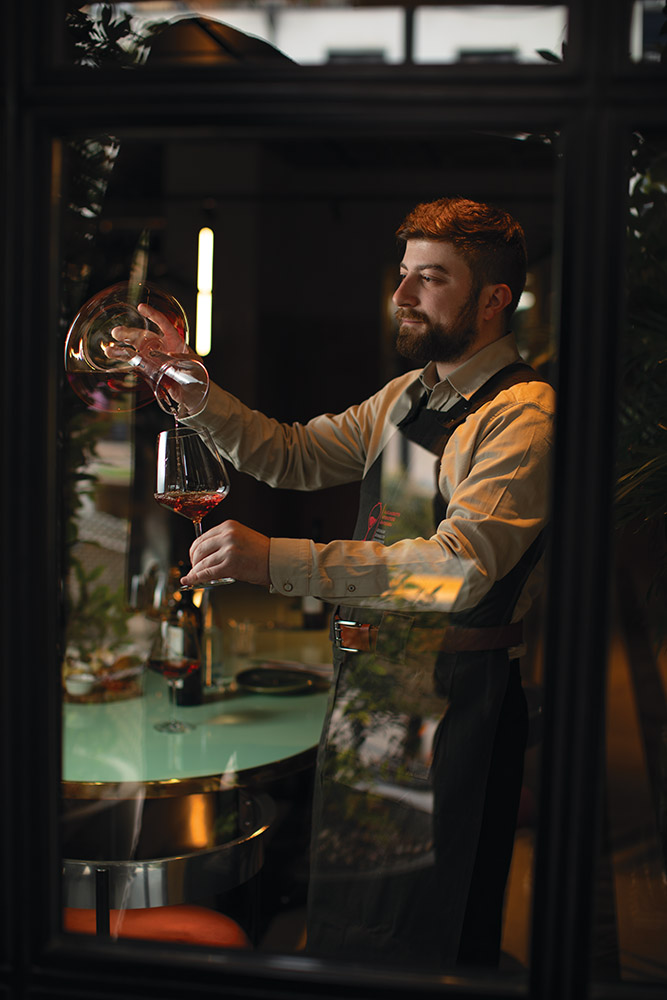
This time, our column focuses on the modern trends and innovations that the world’s leading wine-producing countries are offering. We’ll also look at some of the key challenges the industry faces and explore the best examples of how both Old World countries (France, Italy, Spain) and New World wine regions are addressing them. We’ll draw parallels between Georgia and New World wine countries such as New Zealand, Australia, Chile, Argentina, the US, South Africa, and others. Our discussion will focus on natural vineyard care, as well as organic and biodynamic wines, and how demand for these styles varies across different countries.
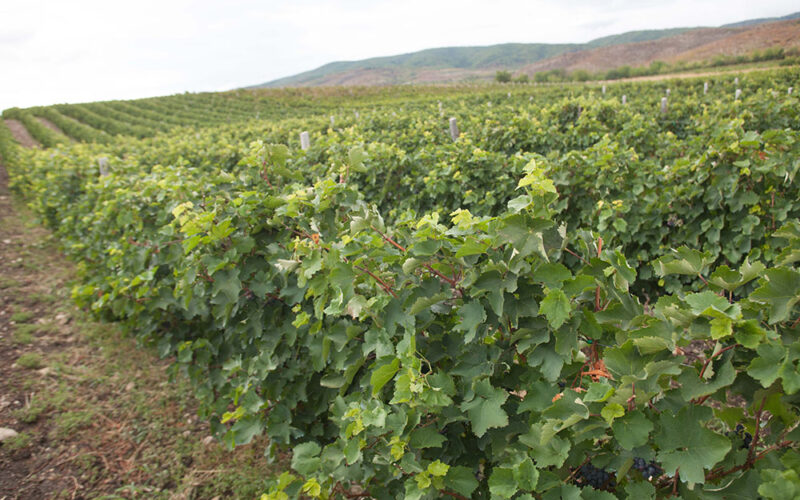
Gogi Dakishvili | Oenologist / Winemaker. Dakishvili Family Winery. Teleda Orgo |: Today, there are several established approaches to vineyard care worldwide. The most common is the conventional method, which aims for a high yield. In this approach, minimal restrictions are placed on the use of plant protection treatments in order to preserve the vine’s ‘health’.
When it comes to organic viticulture, it is strictly regulated, and vineyard care follows clear guidelines. The same applies to producing organic wine from grapes grown under these conditions. The processing of the grapes, winemaking, and the facilities where organic wine is made must all comply with rigorous regulations.
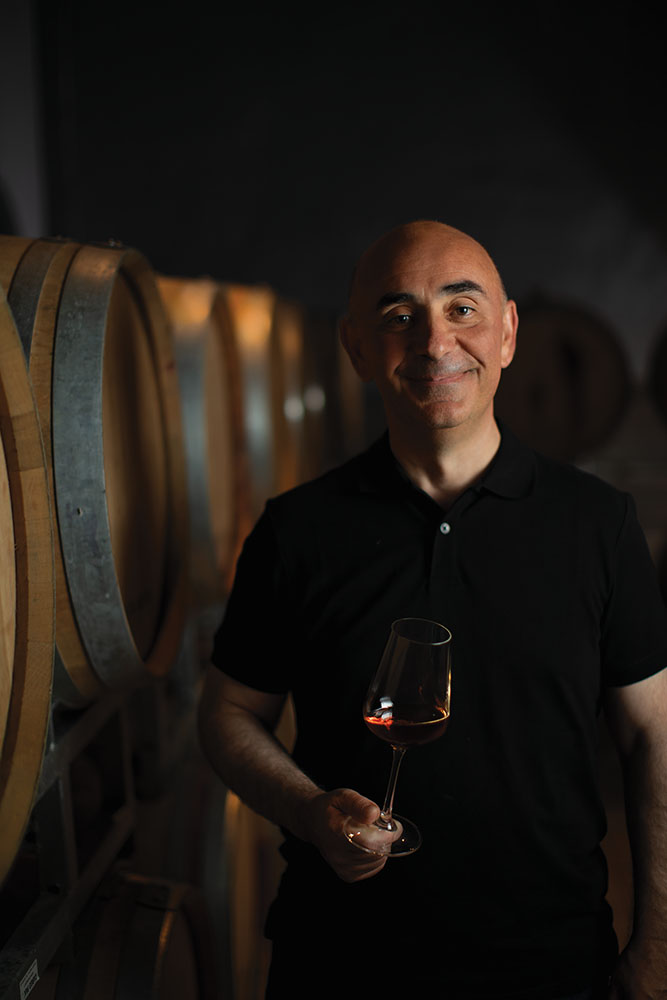

Biodynamics is an entirely different approach, based on the teachings of Rudolf Steiner. I find it hard to fully grasp how biodynamics works, but I’ve seen successful results from various wineries and believe in this approach. Vineyards managed according to biodynamic principles often produce a very high-quality yield, which is then reflected in the quality of the wine.
My vineyards fall under the eco-sustainable category, which means there are certain restrictions when it comes to vine care. The use of herbicides is not allowed. For protecting the yield, I generally use contact treatments, except in cases of extreme necessity, such as during very challenging weather conditions like continuous rain lasting two weeks or more, when I may have to resort to systemic treatments.
The core principle of the eco-sustainable approach is that the vine grower must treat the soil, the vines, and the people working in the vineyard with respect, ensuring they receive proper care and protection. As a winemaker with many years of experience in vineyard management, I can say that all the effort we put into the vineyard is always reflected in the quality of the wine. I believe that the careless overuse of pesticides and synthetic fertilisers is neither acceptable nor practical. Firstly, it’s an unnecessarily large financial expense, and secondly, it brings little to no real benefit in terms of quality.
With thoughtful, minimal intervention, it’s possible to achieve high quality. In such cases, the priority is to maintain healthy soil. It’s the soil we must care for most carefully, because everything begins there.
One key feature of the soil’s biosphere is the cycling of substances between its living and non-living components. This process requires a great deal of energy, which is generated by the soil’s microflora and the insects that inhabit it. All of this works in close interaction and depends on the soil’s purity, which must not be compromised by pesticides or herbicides. The health of the soil’s biosphere determines the vine’s resistance to diseases, which is essential for producing high-quality grape, and ultimately high-quality wine.
I’m often asked why I don’t follow organic viticulture. As I mentioned, organic farming is strictly regulated, and the agro-climatic conditions in the parts of the Kakheti region where my vineyards are located don’t allow for it. In some challenging years, I could lose the entire harvest. For my vineyards, sustainable viticulture is the most suitable approach, as it allows me to protect nature as much as possible, without ever compromising on wine quality.
Tazo Tamazashvili: As I mentioned previously, I gained both theoretical and practical experience in biodynamics years ago from the well-known French biodynamic practitioner Gérard Bertrand. I visited him when his vineyard holdings had expanded from 100 to 600 hectares. He managed the vineyards according to what the climatic conditions allowed.
Over the years, I’ve gained extensive practical experience. For the past few years, I’ve shifted my focus to winemaking. Despite my experience, I simply cannot allow myself to manage my vineyard using biodynamic methods, because the climatic conditions in the Akhmeta region, including humidity, rainfall, and seasonal vine diseases, simply don’t allow for it. Trends aside, a vine grower and winemaker must always respond to the realities of their environment.
Today, many renowned wineries have embraced organic and biodynamic practices. In France, examples include Château de Pommard, Domaine des Roches Neuves, Domaine de la Tournelle, Château Maris, Domaine Comte Abbatucci, among others. In Georgia, biodynamics isn’t widely practised, but it still holds a modest place in the country’s winemaking scene. One of the core principles of biodynamics is maintaining natural cycles, with a strict ban on pesticides and other substances that harm the soil, plants, and insects. Naturally, I welcome this approach. But even if we were simply able to make viticulture in Georgia fully eco-friendly, that alone would be a major achievement.
I’d also like to note that when a wine is referred to as ‘bio’(organic) in Georgia, it’s important to understand what exactly the winemaker means: a natural wine, or wine made from grapes grown naturally, which may then be produced in a traditional, classic, or other style.
Ilia Kakhoidze | Winemaker. Member of the Monaco Sommelier Association. Founder-Le Pont Caucasien |: In my view, the rise of these approaches in France, as in other European countries, is largely the result of marketing. Consumers respond so positively to anything labelled ‘bio’ on the shelf that they are even willing to pay a higher price for it. I believe the wineries Tazo mentioned understand this perfectly, and they also know how to use marketing effectively.


Regarding Gérard Bertrand, his story is truly remarkable. Like me, he’s a former rugby player and has a great affection for Georgia. After his father’s early passing, he inherited one château. Today, he owns several, each producing different styles of wine. One is L’Hospitalet, where he even makes amber wine using maceration.
Tazo Tamazashvili: This line is called Orange Gold, and it was created as a tribute to the Georgian people.
Ilia Kakhoidze: With the support of the Georgian National Wine Agency, I participate in 12 to 15 exhibitions and festivals in France each year. It’s clear that the number of wines labelled as ‘bio’ is growing year by year. We also know that obtaining a bio-certification depends not only on the vine grower and their vineyard, but also on neighbouring growers adopting similar care methods. Recently, the rules have been relaxed, even if a neighbour uses pesticides, you can still label your vineyard and wine as ‘bio.’ Or it’s enough just to have relevant documents of purchase for bio-products throughout the year, making things easier that way. Of course, it’s commendable to work in the vineyard using the methods of organic producers, but I tend to agree more with Gogi’s approach. For me, wine and a vineyard are inseparable. If you don’t love the vineyard, you won’t love the wine; and if a vine grower faces losses simply because they didn’t use a certain treatment to save the vineyard, I consider that a wrong decision.
Gogi Dakishvili: Caring for the soil and maintaining its health is one of our main priorities. The term ’vine immunity’ is quite relative, as vines don’t have immunity in the literal sense, rather, they possess resistance to diseases and environmental conditions. Its strength depends on proper care. Vineyards grown on soil free from pesticides and herbicides stand out for their health and resilience. It is from such clean and healthy soils that we produce our wines at Dakishvili Winery.
Tazo Tamazashvili: Ilia highlighted the importance of marketing in today’s wine industry. Recent statistics show a decline in global wine consumption. In response, wine associations and communes across Europe, America, Australia, South America, and both New and Old World countries have been actively adopting various marketing strategies. A new generation of sommeliers, including those working in Michelin two and three-star restaurants, have shifted their focus towards natural and biodynamic wines.
In addition to this is the fact that, right before our eyes, there has been a global boom in Pét-Nats, which started in Europe, reached Georgia, and continues today. This is the power of marketing. Nowadays, modern sommeliers no longer build their wine lists solely around Bordeaux and Burgundy. In top-tier restaurants, you’ll find natural wines from South Africa, not to mention those from Austria, Slovenia, and other countries, which are now firmly established on the shelves. Wine labelling has become more modern, artistic, simple, colourful, and lively. There are numerous channels on YouTube and other platforms where natural winemakers share their philosophy. Their videos receive a great deal of feedback, and as a result, their wineries attract many visitors.
Ilia Kakhoidze: No matter how much we talk about it, natural wine sales worldwide don’t exceed 3-5%. The growth of up to 5% was driven by the novelty that attracted consumers. I often taste wines at festivals, and to be honest, a large portion of natural wines are undrinkable. The wine is flawed, and some winemakers consider this normal for natural wines. That’s why I believe knowledge is crucial. It’s with knowledge that you must approach both the vineyard and the wine.
For example, in the medieval town of Saint-Émilion (a commune in the Gironde department of Nouvelle-Aquitaine in southwestern France, the town lies at the crossroads of Bordeaux, Saintonge, and Périgord, in the heart of the Libournais wine region) around 6,800 to 7,200 vines are planted per hectare, with very narrow spacing: just 75 to 90 centimetres between vines and 1.3 to 1.5 metres between rows. This density has a specific purpose. Beneath the vineyards lie ancient Roman-era limestone quarries (white chalk), so growers avoid leaving too much surface space between the vines. Otherwise, the roots would not develop deep enough into the soil, affecting both vine health and grape quality. Moreover, if yields exceed five tonnes per hectare, the grower loses the right to label the wine as Saint-Émilion. These regulations, as Gogi mentioned earlier, serve a clear purpose to ensure that vineyard management is thoughtful and measured, resulting in healthy vines, balanced yields, and wines of high quality.


In Saint-Émilion, the wines of the Premier Cru category are re-evaluated once every ten years, based on the performance of the châteaux within the appellation. If any château scores less than 7 out of 10, it loses its Premier Cru status for ten years, with another, higher-scoring château taking its place. This process highlights how much importance Saint–Émilion places on quality and consistency.
It is vital to supply the international market with stable wines from Georgia. Both of Gogi’s winemaking ventures, Dakishvili Family Winery and Teleda Orgo, are prime examples of this stability. As a result, Teleda Orgo’s Cuvee features on the wine list at Mirazur, the three-Michelin-star restaurant in Menton, France, while Dakishvili Family Winery’s Kisi and Teleda Orgo’s Rkatsiteli are served at the Ritz hotel in Paris.
It’s also worth noting that in Europe, when consumers buy wine, they often see the term Récoltant on the label. This indicates the wine is made from grapes harvested in the winemaker’s own vineyards, which inspires greater trust and positive perception. It would be beneficial for Georgian winemakers to include similar indications on their labels. Naturally, wines made from grapes grown in the producer’s own vineyards tend to attract more interest from consumers.
Gogi Dakishvili: That’s a very good and useful idea.
Tazo Tamazashvili: At the moment, I am in Latvia, where natural wines from small Georgian producers enjoy considerable popularity. I mean wines made using both the traditional qvevri and churi (a traditional clay vessel used in winemaking in western Georgia) methods, as well as those produced in the classic style by small winemakers. Latvia has one of the best teams of sommeliers, including the world’s best sommelier and Europe’s best sommelier. I mention this to emphasise how developed Latvia is in this regard. When selecting Georgian wines, buyers even often inquire about the soil type of each producer’s vineyard. That’s why everything, from the soil and climate to the grape variety, winemaking method, and traditions, work together to sell the wine. For this reason, paying special attention to each aspect is important and essential.
ვენახის მოვლის ფილოსოფია, რომელიც ღვინის ხარისხში ირეკლება
თაზო თამაზაშვილი |საქართველოს საუკეთესო სომელიე. ღვინის ექსპერტი | : რუბრიკაში იმ თანამედროვე ტენდენციებისა და სიახლეების შესახებ ვისაუბრებთ, რომლებსაც ღვინის წამყვანი ქვეყნები გვთავაზობენ. განვიხილავთ ადგილობრივი ბაზრის პრობლემურ საკითხებს, რომელთა გადასაჭრელად საუკეთესო მაგალითები როგორც ძველი, ისე ახალი სამყაროს ღვინის ქვეყნებიდან შეგვიძლია ავიღოთ. პარალელებს გავავლებთ საქართველოსა და ახალი სამყაროს ღვინის ისეთ ქვეყნებს შორის, როგორებიც ახალი ზელანდია, ავსტრალია, ჩილე, არგენტინა, აშშ, სამხრეთ აფრიკა და სხვებია. ჩვენი საუბარი შეეხება ვენახის ბუნებრივ მოვლას, ბიოორგანულ და ბიოდინამიკურ ღვინოებს და იმას, თუ როგორია მათზე მოთხოვნა.
გოგი დაქიშვილი | ენოლოგი, მეღვინე, დაქიშვილის საოჯახო მეღვინეობა, თელედა ორგო |: მსოფლიოში, ვენახის მოვლის რამდენიმე მიმართულებაა დამკვიდრებული. მათგან ყველაზე გავრცელებული კონვენციური (ჩვეულებრივი) მეთოდია, რომლის მიზანი უხვი მოსავლის მიღებაა. ამ მიმართულებაში ვაზის „ჯანმრთელობის“ შესანარჩუნებლად დაცვის პრეპარატების გამოყენებაზე მინიმალური შეზღუდვებია დაწესებული.
რაც ეხება ბიომევენახეობას – ის მკაცრად რეგლამენტირებულია და ვენახის მოვლაც მკაფიო ჩარჩოებშია მოქცეული. იგივე ეხება ბიოვენახში მოყვანილი ყურძნისგან ბიოღვინის დაყენებასაც. ყურძნის გადამუშავება, ღვინის დაყენება და სივრცე, სადაც ბიოღვინო მზადდება, მკაცრად დაცულ რეგლამენტს უნდა აკმაყოფილებდეს.
ბიოდინამიკა აბსოლუტურად განსხვავებული მიმართულებაა, რომელიც რუდოლფ შტაინერის სწავლებაზეა დაფუძნებული. ჩემთვის მარტივი არ არის გავიგო, როგორ მუშაობს ბიოდინამიკის მექანიზმი, თუმცა სხვადასხვა მეღვინეობის წარმატებული შედეგები ნანახი მაქვს და მჯერა ამ მიმართულების. ბიოდინამიკის წესებით მოვლილი ვენახიდან, ხშირ შემთხვევაში მიიღება საკმაოდ მაღალხარისხოვანი ყურძნის მოსავალი, რაც შემდგომ აირეკლება ღვინის ხარისხშიც.
ჩემი ვენახები ეკომდგრად კატეგორიას განეკუთვნება, რაც ნიშნავს გარკვეულ შეზღუდვებს ვაზის მოვლისას. მიუღებელია ჰერბიციდების გამოყენება. მოსავლის დაცვისთვის, როგორც წესი, კონტაქტურ პრეპარატებს ვიყენებ, გარდა განსაკუთრებული აუცილებლობისა, რაც უკიდურესად რთულ ამინდს შეიძლება უკავშირდებოდეს – მაგალითად, გადაუღებელი წვიმა 2 კვირის და მეტის შემთხვევაში, რა დროსაც შეიძლება, სისტემური პრეპარატების გამოყენება მომიწიოს.
ეკომდგრადი მიმართულების მთავარი პრინციპი იმაში მდგომარეობს, რომ მევენახე ნიადაგის, ვაზისა და იმ ადამიანების მიმართ, რომლებიც ვენახში მუშაობენ, პატივისცემით უნდა იყოს განწყობილი და მათ სათანადო მოვლა-დაცვაზე ზრუნავდეს. როგორც მეღვინემ, რომელმაც წლების განმავლობაში, ვენახის მოვლის კუთხით დიდი გამოცდილება დავაგროვე, შემიძლია ვთქვა, რომ ყველა ის ძალისხმევა, რასაც ვენახში ვდებთ, ყოველთვის აისახება ღვინის ხარისხში. არ შეიძლება და არც პრაგმატულად მიმაჩნია გაუაზრებლად ჭარბი პესტიციდებისა და სინთეტიკური სასუქების გამოყენება. პირველ რიგში, ეს ფინანსურად უაზროდ დიდი ხარჯია და მეორე – ხარისხობრივად მინიმალური უკუგებაც კი არ აქვს.
გააზრებულად, მინიმალური ჩარევით, შესაძლებელია მაღალი ხარისხის მიიღება. ასეთ დროს, პირველ რიგში, ნიადაგს ვუნარჩუნებთ ჯანმრთელობას. სწორედ ნიადაგს უნდა მოვუფრთხილდეთ, რადგან ყველაფერი მისგან იწყება. ნიადაგის ბიოსფეროს ერთ-ერთი დამახასიათებელი თავისებურება ნივთიერებების წრებრუნვაა მის ცოცხალ და არაცოცხალ ნაწილებს შორის. ამ პროცესს დიდი ენერგია ესაჭიროება, რისი გენერატორიც ნიადაგის მიკროფლორა და მასში მობინადრე მწერებია. ეს ყველაფერი ერთმანეთთან ურთიერთქმედებაშია და ნიადაგის სისუფთავეზეა დამოკიდებული, რომელიც არ უნდა იყოს დაბინძურებული პესტიციდებითა და ჰერბიციდებით.
ნიადაგის ბიოსფეროს ჯანმრთელობა განაპირობებს ვაზის მდგრადობას დაავადებების მიმართ, რაც მაღალი ხარისხის ყურძნის მიღების საწინდარია, შედეგად კი მიიღება მაღალი ხარისხის ღვინო.
უკითხავთ ხოლმე, რატომ არ მივდევ ბიომევენახეობას. კახეთის რეგიონის იმ ადგილების აგრო-კლიმატური პირობები, სადაც ვენახები მაქვს გაშენებული, ამის საშუალებას არ იძლევა. გარკვეულ რთულ წლებში, შეიძლება მთელი მოსავალი დავკარგო. ჩემი ვენახებისთვის ეკო-მდგრადი მიმართულება ყველაზე მისაღებია. ეს მაძლევს საშუალებას, ბუნების მაქსიმალურად მოფრთხილების შემთხვევაშიც კი არასოდეს წავიდე კომპრომისზე ღვინის ხარისხში.
თაზო თამაზაშვილი: ადრეც აღმინიშნავს, რომ ბიოდინამიკაში თეორიული და პრაქტიკული გამოცდილება, წლების წინ, ცნობილ ფრანგ ბიოდინამიკოს ჟერარ ბერტრანთან მივიღე. ჟერართან მაშინ ჩავედი, როდესაც მისი ვენახების ფართობი 100-დან 600 ჰექტარამდე იყო გაზრდილი. ვენახებს იმის მიხედვით უვლიდა, რის შესაძლებლობასაც კლიმატური პირობები აძლევდა.
წლების განმავლობაში დიდი პრაქტიკა დავაგროვე და რამდენიმე წელია, მეღვინეობაშიც ჩავერთე. გამოცდილების მიუხედავად, ვერაფრით მივცემ თავს უფლებას, ჩემს ვენახს ბიოდინამიკური მეთოდით მოვუარო, რადგან რეგიონის კლიმატური პირობები – ტენიანობა, წვიმის ოდენობა, ვაზის დაავადებები, რომლებიც ახმეტის რეგიონს სეზონურად ახასიათებს – ამის საშუალებას არ მაძლევს. მიუხედავად ამ მიმდინარეობების ტრენდულობისა, მევენახე-მეღვინემ ყოველთვის უნდა იმოქმედოს ისე, როგორც ამას გარემო ფაქტორები მოითხოვს.
დღეს, ბევრი ცნობილი მეღვინეობა ბიოორგანულ და ბიოდინამიკურ მიმართულებაზეა გადართული. მაგალითად, საფრანგეთში Chateau de Pommard, Domaine des Roches Neuves, Domaine de la Tournelle, Chateau Maris, Domaine Comte Abbatucci და სხვა. საქართველოში, ბიოდინამიკა მასობრივად გავრცელებული არ არის, თუმცა ქართულ მეღვინეობაში ამ მიმდინარეობას გარკვეული ადგილი მაინც უჭირავს. ბიოდინამიკის ერთ-ერთი მთავარი პრინციპი ბუნებრივი ციკლის შენარჩუნება და ნიადაგის, მცენარეებისა და მწერების გამანადგურებელი პესტიციდებისა და სხვა საშუალებების მკაცრი აკრძალვაა. რა თქმა უნდა, ასეთ მიდგომას მივესალმები, მაგრამ რომ შევძლოთ და საქართველოში მევენახეობა თუნდაც სრულად ეკო-მეგობრული გავხადოთ, ესეც დიდ მიღწევად ჩაითვლება.
აქვე მსურს აღვნიშნო, რომ როდესაც ჩვენს ქვეყანაში ესა თუ ის ღვინო ბიოღვინოდ მოიხსენიება, საჭიროა, ვიცოდეთ, რას გულისხმობს მეღვინე – ბუნებრივ ღვინოს, თუ ბუნებრივი გზით მოყვანილ ყურძენს, რომლისგანაც შესაძლოა, დამზადდეს როგორც ტრადიციული, ისე კლასიკური, ან სხვა სტილის ღვინო.
ილია კახოიძე | მეღვინე, მონაკოს სომელიეთა ასოციაციის წევრი, Le Pont Caucasien-ის დამფუძნებელი | : ჩემი აზრით, საფრანგეთში, როგორც ევროპის სხვა ქვეყნებში, ამ მიმდინარეობების წინ წამოწევა მარკეტინგის შედეგი უფროა. მომხმარებელი იმდენად დადებითად რეაგირებს ყველაფერზე, რაც თაროზე ბიო-ს ნიშნითაა, რომ მეტი ფასის გადახდასაც არ ერიდება. ვფიქრობ, თაზოს მიერ ზემოაღნიშნულ მეღვინეობებს ეს შესანიშნავად ესმით და მარკეტინგშიც კარგად ერკვევიან.
რაც ეხება ბატონ ჟერარს, მისი ისტორია ძალიან შთამბეჭდავია. ჩემსავით ყოფილი მორაგბეა. ძალიან უყვარს საქართველო. ადრეულ ასაკში, მამის გარდაცვალების შემდეგ, მემკვიდრეობით ერთი შატო მიიღო. დღეს რამდენიმე აქვს და თითოეულში სხვადასხვა ტიპის ღვინოს აყენებს. ერთ-ერთს L’Hospitalet ეწოდება, სადაც მაცერაციის მეთოდით ქარვისფერ ღვინოსაც კი აყენებს.
თაზო თამაზაშვილი: ამ ხაზს Orange Gold ეწოდება და ის ქართველებისადმი პატივისცემის ნიშნად შექმნა.
ილია კახოიძე: წლის განმავლობაში, საქართველოს ღვინის ეროვნული სააგენტოს მხარდაჭერით, საფრანგეთში, 12-15 გამოფენასა და ფესტივალზე ვიღებ მონაწილეობას. აშკარაა, რომ წლიდან წლამდე იზრდება იმ ღვინოების რაოდენობა, რომლებსაც ეტიკეტზე ბიო ნიშანი აქვს. ისიც ვიცით, რომ ბიო-სერტიფიკატის მიღება მხოლოდ მევენახესა და მის ვენახზე კი არა, იმაზეც არის დამოკიდებული, ირგვლივ სხვა მევენახეები იყენებენ თუ არა მსგავს მეთოდს. ბოლო პერიოში, მიდგომები ბევრად გამარტივდა – გვერდზე მეზობელი პესტიციდებს რომ იყენებდეს, მაინც შეგიძლია, შენს ვენახსა და მისგან წარმოებულ ღვინოს ბიო უწოდო. ანდა საკმარისია, მთელი წლის განმავლობაში ბიოპრეპარატების შესყიდვების დოკუმენტები გქონდეს და ასეც გაიადვილო საქმე. რა თქმა უნდა, მისასალმებელია ვენახთან იმ მეთოდებით მუშაობა, როგორიც ბიომწარმოებლებს აქვთ, მაგრამ ბატონი გოგის მიდგომას უფრო ვეთანხმები. ჩემთვის ღვინო და ვენახი განუყოფელია. ვენახი თუ არ გიყვარს, ღვინო ვერ გეყვარება; და თუ მევენახე დანაკარგის წინაშე შეიძლება დადგეს მხოლოდ იმის გამო, რომ ვენახის გადასარჩენად კონკრეტული პრეპარატი არ გამოიყენა, ეს არასწორ გადაწვეტილებად მიმაჩნია.
გოგი დაქიშვილი: ჩვენი ერთ-ერთი მთავარი მიზანი ნიადაგის მოფრთხილება და მის ჯანმრთელობაზე ზრუნვაა. “ვაზის იმუნიტეტი” ძალიან პირობითი ცნებაა, რადგან ვაზს პირდაპირი გაგებით იმუნიტეტი არ აქვს, არამედ აქვს მდგრადობა დაავადებებისა და გარემო პირობების მიმართ. მისი სიძლიერე სწორი მოვლით უნდა იყოს განპირობებული. პესტიციდებისგან და ჰერბიციდებისგან თავისუფალ ნიადაგზე გაშენებული ვენახი გამოირჩევა ჯანმრთელობითა და სიძლიერით. სწორად ასეთ სუფთა და ჯანმრთელ ნიადაგზე გაშენებული ვენახებიდან ვაყენებთ ღვინოს დაქიშვილების მეღვინეობაში.
თაზო თამაზაშვილი: ბატონმა ილიამ მარკეტინგის როლზე ისაუბრა. ბოლო სტატისტიკით, მსოფლიოში ღვინის მოხმარების კლება შეინიშნება. ამის საპასუხოდ, ღვინის გაერთიანებები და კომუნები როგორ ახალ, ისე ძველი სამყაროს ქვეყნებში აქტიურად მიმართავენ სხვადასხვა მარკეტინგულ აქტივობას. ახალი თაობის სომელიეებმა, მათ შორის, ისეთებმა, რომლებიც მიშლენის ორ და სამვარსკვლავიან რესტორნებში მუშაობენ, მიდგომები შეცვალეს და ბუნებრივ და ბიოდინამიკურ ღვინოებზე გადაერთნენ. ამას ემატება ის ამბავიც, რომ ფაქტობრივად, ჩვენს თვალწინ მოხდა მსოფლიოში პეტ-ნატების ბუმი, რომელიც ევროპიდან წამოვიდა, საქართველომდე მიაღწია და დღესაც გრძელდება. სწორედ ეს არის მარკეტინგის ძალა.
დღეს, თანამედროვე სომელიე ღვინის ბარათს მხოლოდ ბორდო-ბურგუნდიის ღვინოების ღერძზე აღარ აგებს. მაღალი კლასის რესტორნებში სულ უფრო ხშირად ვხვდებით სამხრეთ აფრიკულ ბუნებრივ ღვინოებს, აღარაფერს ვამბობ ავსტრიულ, სლოვენიურ, ან სხვა ქვეყნების ბუნებრივ ღვინოებზე, რომლებიც თაროზე უკვე იკავებენ საკუთარ ადგილს. ღვინოების შეფუთვა (ეტიკეტი) გახდა უფრო თანამედროვე, არტისტული, მარტივი, ფერადი და ხალისიანი. Youtube-ზე და სხვა პლატფორმებზე არაერთი არხი არსებობს, სადაც ნატურალისტი მეღვინეები თავიანთ ფილოსოფიაზე საუბრობენ. მათ ვიდეოებს უამრავი გამოხმაურება აქვს, მათ მეღვინეობებს კი – მეტი სტუმარი.
ილია კახოიძე: რაც უნდა ბევრი ვსაუბროთ, მთელ მსოფლიოში ნატურალური ღვინის გაყიდვები 3-5 %-ს მაინც არ სცდება. 5%-მდე ზრდაც იმან განაპირობა, რომ ეს იყო სიახლე, რომლითაც მომხმარებლები დაინტერესდნენ. ბევრ ფესტივალზე მიწევს ღვინის გასინჯვა და სიმართლე უნდა ითქვას, რომ ნატურალური ღვინოების დიდი ნაწილი ისეთია, ვერ დალევ. ღვინო დაავადებულია და ეს მეღვინეს ნატურალური ღვინისთვის ნორმად მიაჩნია. ამიტომაც ვთვლი, რომ ცოდნა ძალიან მნიშვნელოვანია. სწორედ ცოდნით უნდა მიუდგეთ ვენახსაც და ღვინოსაც.
მაგალითად, Saint-Émilion-ში (Saint-Émilion is a commune in the Gironde department in Nouvelle-Aquitaine in Southwestern France. In the heart of the country of Libournais, in a region of wine hills, Saint-Émilion is a medieval city located at the crossroads of Bordeaux, Saintonge and Périgord), ერთ ჰექტარზე დაახლოებით 6800-7200 ძირი ვაზია გაშენებული. ვაზებს შორის ძალიან პატარა დაშორებაა – 75-90 სანტიმეტრი, რიგებს შორის კი 1,30-1,50 მეტრი. ამას თავისი ახნა აქვს: ვენახების ქვეშ ძველი რომაელების დროინდელი კარიერებია (თეთრი ცარცი), ამიტომ მევენახეებმა იციან – ვაზს მიწის ზემოთ რომ დაუტოვონ დიდი არეალი, ფესვთა სისტემას არ განივითარებს, სიღრმეში არ წავა და მოსავალიც არ ექნება კარგი. თუ მოსავალი ერთ ჰექტარზე 5 ტონას გადასცდება, მეღვინე ეტიკეტზე Saint-Émilion-ის მითითების უფლებას დაკარგავს. ეს რეგულაციები ხომ სწორედ იმას ემსახურება, რაზეც ბატონმა გოგიმ ისაუბრა – ვენახის მოვლა გონივრულად უნდა მოხდეს, რათა კარგი მოსავალი მოგვცეს და ღვინოც მაღალი ხარისხის დადგეს.
ათ წელიწადში ერთხელ, Saint-Émilion-ში ამავე გაერთიანებაში შემავალი შატოების Premier Cru-ს კატეგორიის ღვინოების შეფასება ტარდება. თუ რომელიმე შატო 10-დან 7-ზე ნაკლებს შეფასებას მიიღებს, მის ადგილს სხვა, მაღალი შეფასების შატო იკავებს, თავად კი 10 წლით ვარდება Premier Cru-ს კატეგორიიდან. ასეთ დიდ მნიშვნელობას ანიჭებენ Saint-Émilion-ში ხარისხსა და სტაბილურობას.
სასიცოცხლოდ მნიშვნელოვანია, რომ საქართველოდან საერთაშორისო ბაზარს სტაბილური ღვინოები მივაწოდოთ. ბატონი გოგის მეღვინეობის ორივე ხაზი – დაქიშვილების საოჯახო მეღვინეობა და თელედა ორგო – ამის ერთ-ერთი საუკეთესო მაგალითია. ამის შედეგია თუნდაც ის, რომ თელედა ორგოს Cuvee რესტორან მირაზურის ღვინის ბარათშია, ხოლო დაქიშვილის საოჯახო მეღვინეობის ქისი და თელედა ორგოს რქაწითელი პარიზში, სასტუმრო რიცში.
ევროპაში, როდესაც მომხმარებელი ღვინოს ყიდულობს, ეტიკეტზე ხვდება მითითება – Récoltant – რაც ნიშნავს, რომ ღვინო მეღვინის ვენახებიდან მოწეული ყურძნისგან არის დაყენებული, რაც მეტ ნდობას იწვევს. კარგი იქნება, ქართველი მეღვინეებიც თუ დაიტანენ მსგავს მინიშნებებს ეტიკეტზე. საკუთარ ვენახებში მოყვანილი ყურძნისგან წარმოებული ღვინო, რა თქმა უნდა, მომხმარებელში მეტი ინტერესით სარგებლობს.
გოგი დაქიშვილი: ეს ძალიან კარგი და სასარგებლო აზრია.
თაზო თამაზაშვილი: ამ ეტაპზე ლატვიაში ვიმყოფები, სადაც ქართველი მცირე მწარმოებლების ბუნებრივი ღვინოები საკმაო პოპულარობით სარგებლობს. ვგულისხმობ როგორც ქვევრის, ისე ჭურის მეთოდით და კლასიკურად დაყენებულ ღვინოებს. ლატვიას ჰყავს სომელიეთა ერთ-ერთი საუკეთესო გუნდი, მსოფლიოს საუკეთესო სომელიე და ევროპის საუკეთესო სომელიე. ამ მხრივ ეს ქვეყანა ძალიან განვითარებულია. ქართული ღვინოების შერჩევისას, თითოეული მწარმოებლის ვენახის ნიადაგის ტიპითაც კი ინტერესდებიან. ამიტომაც ნიადაგიდან და კლიმატიდან დაწყებული, ყურძნის ჯიშით, დაყენების მეთოდითა და ტრადიციებით გაგრძელებული – ეს ყველაფერი ერთად ყიდის ღვინოს. ამიტომაც, თითოეულს განსაკუთრებული ყურადღება ესაჭიროება.