




| Emzar Subeliani — A Winemaker with a Remarkable Story |
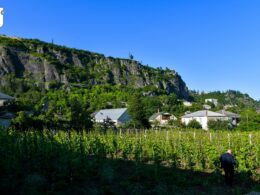
Since 2019, Bolnisi wine has been registered as a protected designation of origin (PDO). Bolnisi is a dry wine, which may be white, amber, red, or rosé. The Bolnisi microzone is located in Kvemo Kartli, in the Bolnisi municipality, at an elevation of 570 metres above sea level, within the Mashavera and Khrami river basins. It includes the town of Bolnisi and the surrounding villages.
In recent years, Bolnisi wine has earned its place among high-quality Georgian wines. Local winemakers actively continue the ancient tradition of making wine in qvevri. Drawing on age-old practices and modern approaches, Bolnisi produces distinctive wines that are increasingly capturing the interest of wine enthusiasts.
The geographical location of the Bolnisi microzone, along with the region’s characteristic climate, moderately cold winters and hot summers, moderate rainfall, diverse soil types, and centuries-old traditions of viticulture and winemaking all determine the distinctive organoleptic qualities that are unique to Bolnisi wine.
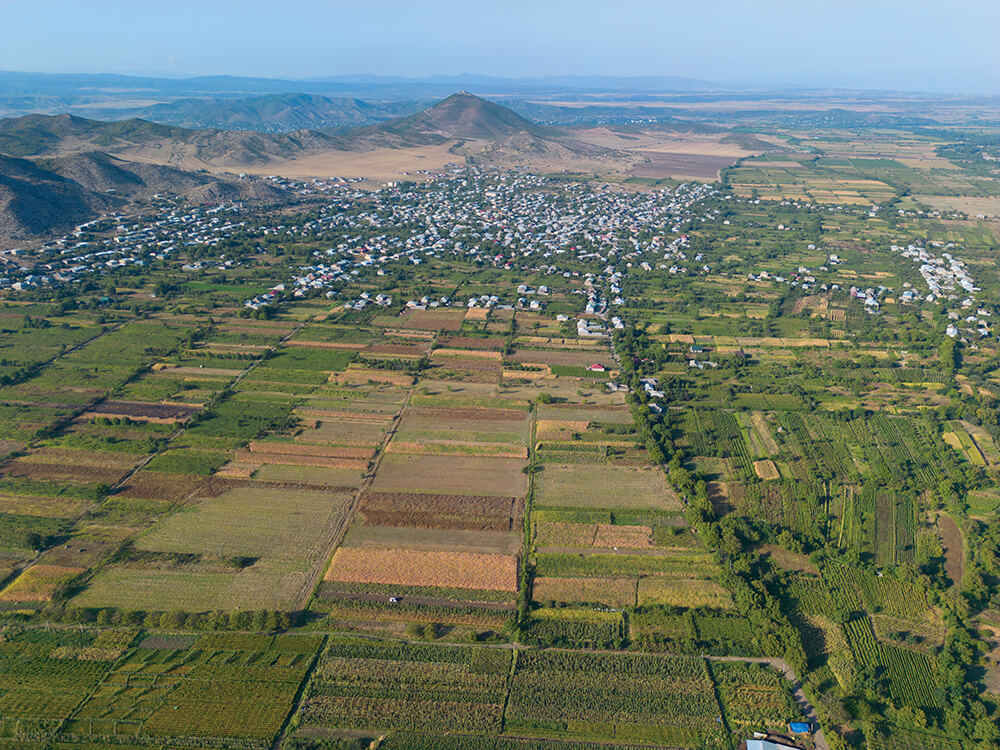
Bolnisi, this ancient historical region, is known for its architecture, epigraphic inscriptions, and literary masterpieces. At the same time, it is one of the cradles of the formation of the Georgian literary language.
In the nineteenth century, Germans were resettled in this region. This process took place in Georgia and the South Caucasus between 1817 and 1819. The settlers were Württemberg Swabians, who established eight German settlements, six in Georgia and two in Azerbaijan. Their relocation occurred in 1941. The half-timbered houses, wine cellars, wine-pressing vessels, and winemaking traditions introduced by the Swabians, which still survive in Bolnisi today, are especially well preserved and valued by the locals.
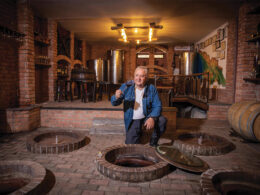
Emzar Subeliani, a winemaker with a remarkable story, lives in one of the houses built by the Swabians and makes his wine in the marani (wine cellar) of the same house.
Originally from Abkhazia, a beautiful historic region in northwestern Georgia on the eastern coast of the Black Sea, Emzar and his family lived in sunny Sukhumi. Since 1993, Abkhazia has been occupied by the armed forces of the Russian Federation. Forced to leave his homeland due to the conflict, and wounded in the process, Emzar and his family crossed the Kodori Valley along with others who were also displaced. Despite these hardships, he never lost hope of returning home. Eventually, the family settled in Bolnisi, where, after overcoming many challenges, they began a new life.

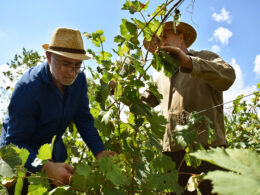
Emzar Subeliani first acquired a vineyard of Rkatsiteli grapes, followed by land where he planted Saperavi. As he says himself, this is how his life continued. Today, his total vineyard area covers 7,000 square metres. The Rkatsiteli vineyard is 70 years old, and in 2017, he crafted his first wine from this grape variety.
Bolnisi wines differ from those produced in other regions of Georgia both in taste and style. The aromatic profile of Rkatsiteli here is much more intense, and the flavour is distinctly unique, which makes it particularly noteworthy. This is exactly the case with the Rkatsiteli from Subeliani Winery. Each year, Emzar Subeliani produces up to 1,000 bottles of wine from this grape variety.


Six years later, Saperavi was added to Subeliani Winery. The 2023 vintage produced 4,000 bottles of dry red wine, with aromas of gooseberry, blueberry, and dark chocolate.
Emzar tends to the vineyard himself and harvests a good crop, which is reflected in the quality of his wines. In the old German wine cellar, he has planted three qvevris. At first, I press the grapes in a cask, the winemaker explains, and after fermentation, I transfer the wine to the qvevri until spring, then to the bottles. Pressing grapes in casks is a tradition brought by the Swabian Germans, which continues in Bolnisi to this day.
The microclimate of Bolnisi is similar to that of Kakheti, there is more sunlight, higher sugar accumulation, good preservation of acidity, and sufficient ripening of tannins. Added to this is the influence of German culture on Bolnisi’s centuries-old winemaking tradition, still evident today in the presence of German-style wine cellars.
There are many German cellars in Bolnisi, built with solid craftsmanship, allowing for stable temperature control and easy regulation of humidity. Viticulture and winemaking in this region represent a meeting point of two cultures, and this fusion is reflected clearly in the flavours that make Bolnisi wines so distinctive.
Emzar Subeliani’s first export was to Germany. On the local market, like other members of the Wine Bolnisi association, wines from Subeliani Winery are available in Bolnisi, at the Georgian-German Wine House, and in wine shops across Tbilisi.
ემზარ სუბელიანი – მეღვინე განსაკუთრებული ისტორიით

2019 წლიდან, ღვინო ბოლნისი ადგილწარმოშობის დასახელების ღვინოდ არის რეგისტრირებული. ბოლნისი მშრალი ღვინოა, რომელიც შეიძლება იყოს თეთრი, ქარვისფერი, წითელი და ვარდისფერი. ბოლნისის მიკროზონა ქვემო ქართლში, ბოლნისის მუნიციპალიტეტში, ზღვის დონიდან 570 მეტრის სიმაღლეზე, მდინარეების მაშავერასა და ხრამის აუზებში მდებარეობს. მოიცავს ქალაქ ბოლნისსა და მიმდებარე სოფლებს.
ბოლო წლებია, ბოლნისური ღვინო მაღალხარისხიანი ქართული ღვინოების ჩამონათვალშია. აქაური მეღვინეები აქტიურად აგრძელებენ ქვევრში ღვინის დაყენების მრავალსაუკუნოვან ისტორიას. ძველ ტრადიციებზე დაყრდნობითა და თანამედროვე მოდგომებით ბოლნისში მზადდება გამორჩეული ღვინოები, რომლებიც სულ უფრო მეტად იმსახურებს ღვინის მოყვარულთა ინტერესს.
ბოლნისის მიკროზონის გეოგრაფიული მდებარეობა, რეგიონისთვის დამახასიათებელი კლიმატი – ზომიერად ცივი ზამთარი და ცხელი ზაფხული, ატმოსფერული ნალექების ზომიერი რაოდენობა, ნიადაგების მრავალფეროვნება, მევენახეობა-მეღვინეობის ტრადიციები განაპირობებს ღვინო ბოლნისის განუმეორებელ, მხოლოდ ამ ღვინისათვის დამახასიათებელ ორგანოლეპტიკურ თვისებებს.
ბოლნისი, ეს უძველესი ისტორიული მხარე, ცნობილია თავისი ხუროთმოძღვრული ძეგლებით, ეპიგრაფიკული წარწერებითა და ლიტერატურული შედევრებით. ამავე დროს, ის ქართული სალიტერატურო ენის ფორმირების ერთ-ერთი კერაა.
მეცხრამეტე საუკუნეში, აქ გერმანელები ჩამოასახლეს. ეს პროცესი საქართველოსა და ამიერკავკასიაში 1817-1819 წლებში განხორციელდა. ჩამოსახლებული გერმანელები ვიურთემბერგელი შვაბები იყვნენ, რომლებმაც 8 გერმანული დასახლება შექმნეს, მათგან 6 – საქართველოში, 2 – აზერბაიჯანში. მათი გადასახლება კი 1941 წელს მოხდა. შვაბების მიერ აგებულ ფახვერკის ტიპის სახლებს, მარნებს, ღვინის დასაწურ ჭურჭელსა თუ ღვინის დაყენების ტრადიციას, რომლებიც ბოლნისში დღესაც არის შემორჩენილი, აქაურები განსაკუთრებით უფრთხილდებიან.
სწორედ შვაბების მიერ აგებულ ერთ-ერთ სახლში ცხოვრობს და ამავე სახლის მარანში აყენებს ღვინოს ემზარ სუბელიანი – მეღვინე განსაკუთრებული ისტორიით.
ემზარ სუბელიანი აფხაზეთიდანაა, საქართველოს ულამაზესი ისტორიულ-გეოგრაფიული მხარიდან, რომელიც ჩვენი ქვეყნის ჩრდილო–დასავლეთით, შავი ზღვის აღმოსავლეთ სანაპიროზე მდებარეობს და ოკუპირებულია რუსეთის ფედერაციის შეიარაღებული ძალების მიერ 1993 წლიდან. ოჯახთან ერთად მზიან სოხუმში ცხოვრობდა. საომარი მოქმედებების გამო მშობლიური მხარის დატოვება მოუწია და დაჭრილმა, ოჯახთან ერთად, კოდორის ხეობა სხვა დევნილებთან ერთად გადმოიარა. დიდხანს არ დაუკარგავს იმედი, რომ აფხაზეთში მალე მოუწევდათ დაბრუნება. ბოლოს, ოჯახი ბოლნისში დაფუძნდა, ბევრი წინააღმდეგობა გადალახა და ახალი ცხოვრება დაიწყო.
ემზარ სუბელიანმა ჯერ რქაწითელის ვენახი შეიძინა, შემდეგ მიწა, სადაც საფერავი გააშენა და როგორც თავად ამბობს – ასე გაგრძელდა ცხოვრება. დღეს, მისი ვენახების საერთო ფართობი 7000 კვ.მ-ს შეადგენს. რქაწითელის ვენახი 70 წლისაა. ამ ჯიშის ყურძნისგან პირველი ღვინო 2017 წელს ჩამოასხა.
ბოლნისური ღვინოები ჩვენი ქვეყნის სხვა რეგიონებში წარმოებული ღვინოებისგან განსხვავდება როგორც გემოვნური თვისებებით, ისე სტილით. რქაწითელის არომატული პროფილი აქ გაცილებით ინტენსიურია, გემოც მკვეთრად განსხვავებული, რაც მას ძალიან საინტერესოს ხდის. სწორედ ასეთია სუბელიანის მარნის რქაწითელი. ყოველწლიურად, ამ ჯიშისგან 1000 ბოთლამდე ღვინო დგება.
6 წლის შემდეგ სუბელიანის მარანს საფერავიც შეემატა. 2023 წლის მოსავლით 4000 ბოთლი ღვინო დამზადდა – წითელი მშრალი, მოცხარის, მოცვის და შავი შოკოლადის არომატებით.
ვენახს თავად უვლის და მოსავალიც კარგი მოჰყავს. ძველ გერმანულ მარანში სამი ქვევრი აქვს დარგული. თავიდან ყურძენს ჩანში ვწურავ, – გვიყვება მეღვინე – დაღვინების შემდეგ ჯერ ქვევრში გადამაქვს და გაზაფხულამდე ვტოვებ, შემდეგ კი – ბოთლებში. ჩანებში ყურძნის დაწურვა შვაბი გერმანელების ტრადიციაა, რომელიც ბოლნისს დღესაც მოჰყვება.
ბოლნისის მიკროკლიმატი ახლოსაა კახეთის მიკროკლიმატთან – მეტი მზეა, მეტი შაქარი გროვდება, მჟავიანობა კარგად ნარჩუნდება და ტანინებიც ასწრებს დამწიფებას. ამას ემატება გერმანული კულტურის გავლენა ბოლნისურ მრავალსაუკუნოვან მეღვინეობაზე და კვალი, რომელიც გერმანული მარნების სახით კვლავაც შენარჩუნებულია ბოლნისში.
აქ ბევრი გერმანული მარანია, რომლებიც კარგად არის ნაგები და მათში ტემპერატურული რეჟიმის შენარჩუნება და ტენიანობის რეგულირება ადვილადაა შესაძლებელი. აქაური მევენახეობა-მეღვინეობა არის ის კერა, სადაც მომსწრეები ვართ ამ ორი კულტურის ურთიერთშერწყმის, რაც საბოლოოდ, ძალიან საინტერესოდ აისახება იმ გემოებში, რაც ასე გამოარჩევს ბოლნისურ ღვინოებს.
პირველი ექსპორტი ემზარ სუბელიანმა გერმანიაში განახორციელა. ადგილობრივ ბაზარზე კი გაერთიანება ღვინო ბოლნისის სხვა წევრი მარნების მსგავსად, სუბელიანის მარნის ღვინოები ბოლნისში, ქართულ-გერმანულ ღვინის სახლში და თბილისის ღვინის მაღაზიებშია ხელმისაწვდომი.